 listicle
Top Car Carrier Companies: 2026 Comparison Guide
Last Updated: October 23, 2026
Quick Summary
Car carrier companies transport vehicles across state lines using either a broker model that connects shippers with vetted carriers from a network, or a direct carrier model where the company owns trucks and employs drivers. Choosing between them depends on your shipment complexity, timeline, and whether you prioritize flexibility or direct control.
- Standard car shipping takes 3-7 days for routes under 1,000 miles and 7-14 days cross-country, though weather and carrier schedules can add delays.
- Open transport costs 30-40% less than enclosed transport because carriers fit more vehicles per load, while enclosed protects high-value vehicles worth over $50,000.
- Every carrier must hold FMCSA authority and maintain at least $750,000 in liability insurance, which you can verify on the FMCSA website before booking.
- Document your vehicle's condition with photos before pickup and inspect it immediately at delivery, filing damage claims within 24-48 hours if needed.
Table of Contents
- How to Compare Car Carrier Companies
- Understanding Car Shipping Quotes and Pricing
- Car Shipping Cost Factors and Budget Planning
- Car Shipping Transit Time: What to Expect
- Open Car Transport vs. Enclosed Options
- Top Car Carrier Companies to Consider
- Insurance, Safety Compliance, and Protection
- Preparation Checklist and Delivery Inspection
- Choosing the Right Car Carrier Company for Your Shipment
- Frequently Asked Questions
How to Compare Car Carrier Companies
When you ship a vehicle across state lines, the choice of car carrier company makes the difference between a smooth handoff and weeks of stress.
At Axel Flow Logistics, we've analyzed what separates a trustworthy car carrier company from one that cuts corners: transparency, carrier vetting rigor, and how a company handles problems.
Selection Methodology
We evaluated car carrier companies on five criteria: FMCSA licensing and compliance, depth of carrier vetting, customer communication, insurance clarity, and damage claim handling.
A broker's value is access to a vetted carrier network and peak-season capacity. A direct carrier owns equipment and employs drivers, offering more control but less flexibility.
What Sets Brokers Apart from Direct Carriers
With the broker model, you contract with the broker, who finds a carrier from their network, manages logistics, and handles communication.
Direct carriers own the trucks and employ the drivers, so you contract with the company transporting your vehicle.
Brokers typically offer more route flexibility and faster pickup because they access multiple carriers.
Understanding Car Shipping Quotes and Pricing
A shipping quote should answer three questions: What does it cover? When will pickup happen? What happens if circumstances change? Too many shippers accept the first number without understanding how it was calculated.
How Quotes Are Calculated
Quotes depend on distance, vehicle size, transport type, market demand, and seasonality. A 500-mile sedan shipment costs far less than a 2,000-mile full-size truck.
During peak moving season (May through September), quotes rise as carrier capacity tightens; winter months bring lower demand and prices.
Red Flags and Hidden Fees
Watch for quotes too low to be realistic.
Hidden fees take several forms: a base rate plus fuel surcharges, dispatch fees, or "expedited booking fees" not mentioned upfront.
Another trap: companies that quote a price but won't lock it in writing.
Car Shipping Cost Factors and Budget Planning
Understanding what drives your quote helps you budget accurately and spot unrealistic numbers.
Distance, Season, and Route Impact
Distance is the primary cost driver. A 300-mile shipment costs roughly one-third of a 900-mile shipment, though the relationship isn't perfectly linear.
Seasonality creates 20-30% price swings. Summer quotes run higher; winter quotes run lower.
Route popularity affects pricing. California to Texas follows well-established lanes with high capacity, keeping prices competitive.
Transport Type and Vehicle Size
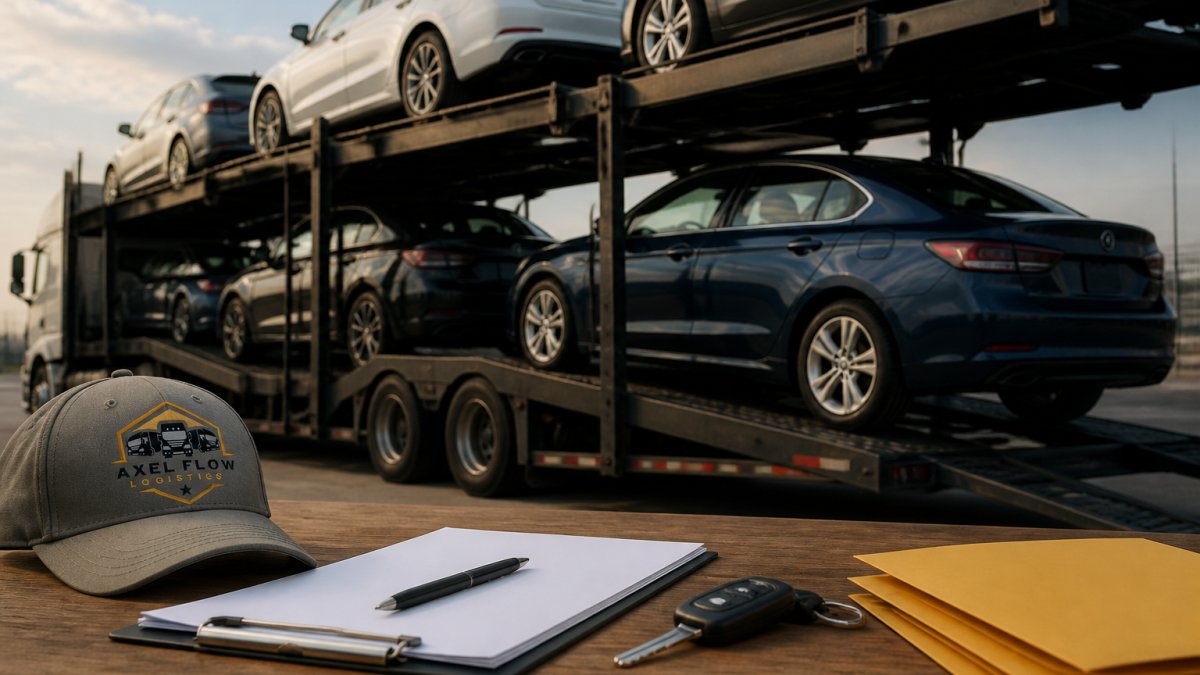
Open Auto Transport, where your vehicle rides exposed on a standard car carrier, costs less because carriers maximize load capacity: 8-10 vehicles per load. Enclosed trailers hold fewer vehicles (typically 2-4), so cost per vehicle rises.
Vehicle size affects how many other vehicles fit on the load. A sedan takes less space than a full-size SUV or truck.
Car Shipping Transit Time: What to Expect
Transit time depends on distance, route, carrier schedule, and current market conditions. Understanding typical timelines prevents the frustration of wondering where your vehicle is.
Typical Delivery Timelines
Standard car shipping typically takes 3-7 days for routes under 1,000 miles and 7-14 days cross-country. These are estimates, not guarantees. A 500-mile shipment might arrive in 3 days if the carrier fills quickly and drives straight through, or take 5-6 days if it waits for additional pickups.
Carriers follow established lanes and pick up multiple vehicles along the way. Your shipment might sit at a terminal for a day while the carrier waits for additional pickups that make the route profitable.
Winter weather adds unpredictability: snow, ice, and poor visibility can add 1-3 days, particularly on northern routes. Spring and fall can bring unexpected delays too.
Expedited and Standard Options
Expedited transport prioritizes your shipment with pickup within 1-2 days and the fastest possible delivery. It costs 30-50% more because the carrier reserves capacity for your vehicle instead of waiting for a full load.
Expedited makes sense when a job starts in a week or a buyer needs the vehicle immediately. For most relocations with a 2-3 week timeline, standard service works fine and saves money.
Some carriers offer guaranteed delivery dates for a fee, with a refund or discount if they miss the window.
Open Car Transport vs. Enclosed Options
The choice between open and enclosed transport hinges on your vehicle's value, age, and risk tolerance.
When to Choose Open Transport
Open transport costs 30-40% less than enclosed because carriers fit more vehicles per load.
Open transport works fine for daily drivers, family sedans, and work trucks.
Open transport also means faster pickup times because carriers fill open loads more frequently than enclosed loads.
Enclosed Transport for High-Value Vehicles
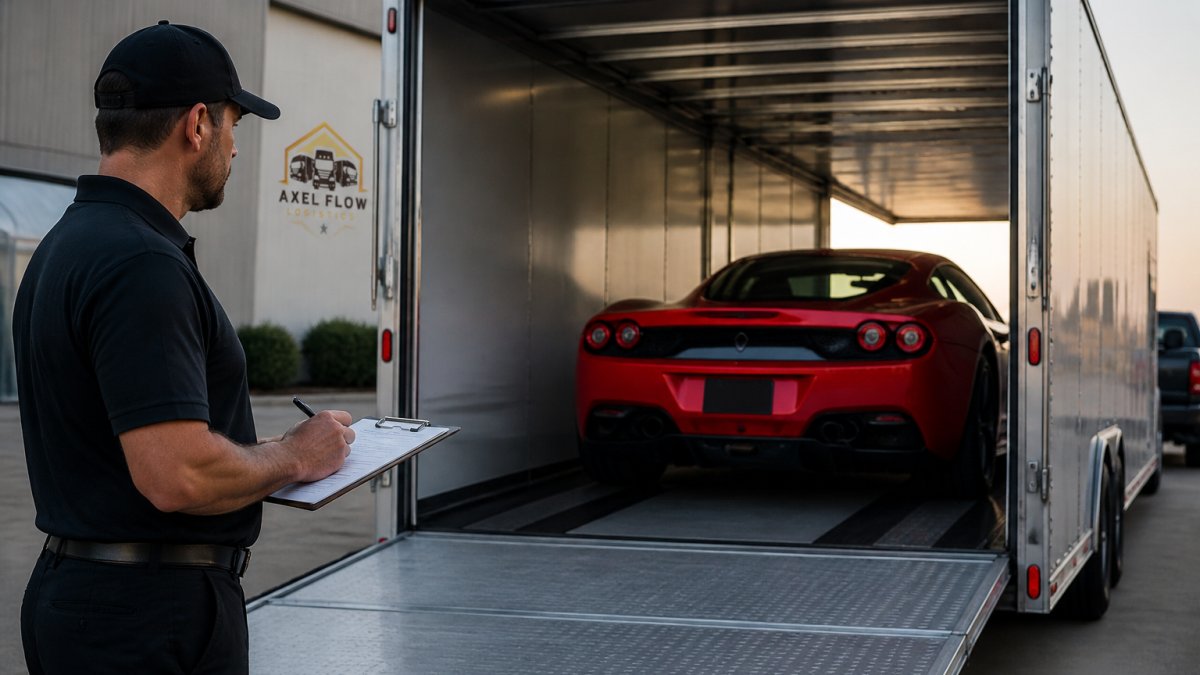
Enclosed transport protects your vehicle from weather, dust, and road hazards.
Choose enclosed transport for classic cars, luxury vehicles, collector cars, or new vehicles you want to arrive in pristine condition.
Enclosed transport also makes sense if you're shipping during winter in northern regions.
Top Car Carrier Companies to Consider
Axel Flow Logistics: Broker-Based Advantage
Our advantage: we access a network of carriers across major routes, which means flexible pickup times and competitive pricing.

What makes us different is transparency.
We're particularly strong for individual shippers and families relocating. We handle single-vehicle moves with the same rigor we apply to dealership inventory shipments.
American Auto Shipping
American Auto Shipping appears in major industry comparisons and maintains high customer ratings.
According to industry comparisons, American Auto Shipping quotes in the mid-range for most routes.
The tradeoff with larger national carriers: you may not get the personalized attention that smaller brokers provide.
Easy Cargo Ship
Easy Cargo Ship operates as a car carrier company listed in major shipping comparisons. They focus on competitive pricing and fast quotes.
For shippers prioritizing speed and simplicity over customization, Easy Cargo Ship delivers. They excel at standard routes and typical shipments.
Direct Connect Auto Transport
Direct Connect Auto Transport appears across multiple editorial lists of top car carrier companies. They operate nationwide with a mix of direct carrier and broker services.
They're known for handling specialty vehicles and unusual routes. If your shipment doesn't fit the standard mold, oversized vehicles, multi-vehicle shipments, or difficult pickup locations, Direct Connect has experience managing complexity.
Ship a Car Direct
Ship a Car Direct operates as a car carrier company focused on straightforward, transparent pricing. They emphasize no-hidden-fees pricing and clear communication.
For straightforward point-to-point shipments, they deliver solid service at competitive rates. Their strength is simplicity; their limitation is they may not offer as much customization as brokers with larger networks.
Insurance, Safety Compliance, and Protection
This is where most shippers get nervous, and rightfully so. Understanding insurance and claims processes before you ship prevents catastrophic surprises.
FMCSA Licensing and Carrier Vetting
Legitimate car carrier companies verify this before accepting your shipment.
You can verify a carrier's FMCSA status yourself on the FMCSA website. Search by company name or USDOT number.
Insurance requirements are strict: carriers must maintain liability coverage of at least $750,000. Most maintain higher limits.
Claims Process and Damage Coverage
Most damage claims fall into two categories: minor (scratches, dents, broken mirrors) and major (frame damage, engine damage, total loss). Minor damage claims typically process within 30-60 days. Major claims take longer and may require expert assessment.
When damage occurs, document it immediately. Take photos of the damage before the vehicle is moved.
A broker can handle damage claims on your behalf, communicating with the carrier's insurance and pushing for resolution.
Axel Flow Logistics manages damage claims directly. We handle the coordination and advocate for fair resolution.
Preparation Checklist and Delivery Inspection
What you do before pickup and at delivery determines whether your vehicle arrives safely and whether you have documentation if damage occurs.
Before Pickup: Vehicle Readiness
Prepare your vehicle 24-48 hours before the scheduled pickup window.
Check fluid levels. Top off washer fluid, coolant, and oil.
Disable alarms and car-starter systems if your vehicle has them.
Document your vehicle's condition before pickup.
Ensure your vehicle can be driven onto the carrier.
Delivery Day: Inspection and Documentation
When your vehicle arrives, inspect it before signing the delivery paperwork.
Walk around the vehicle with the driver. Note any damage, no matter how minor.
Request a copy of the bill of lading (BOL) and any damage documentation.
Don't delay this inspection.
Choosing the Right Car Carrier Company for Your Shipment
The best car carrier company for your needs depends on what you're shipping and when.
For specialty vehicles or complex routes, choose a company with demonstrated experience in your specific situation.
Compare at least three quotes from different car carrier companies. The quotes should specify distance, transport type, estimated timeline, and total cost. Avoid companies that can't provide written quotes or that pressure you to book without time to compare options.
Ask each company about their carrier vetting process, their damage claim timeline, and their communication standards.
Frequently Asked Questions
What is the difference between an auto transport broker and a carrier?
A carrier owns and operates the trucks that physically transport vehicles. A broker acts as an intermediary, connecting shippers with vetted carriers and managing the logistics. Brokers like Axel Flow Logistics handle paperwork, compliance, and carrier vetting, reducing your administrative burden. Carriers execute the transport. Using a broker often provides access to a larger network of carriers, competitive pricing, and centralized support, valuable if you're shipping a single vehicle or need coordinated service across multiple shipments.
How much do car carrier companies charge to deliver a car?
Car shipping cost depends on distance, vehicle type, transport method, season, and route demand. Open transport costs less than enclosed. Peak moving seasons (summer) and less-traveled routes may increase prices. Request a free quote from multiple providers to compare pricing for your specific route and vehicle.
How long does it take to ship a car?
Standard car shipping transit time ranges from 3-7 days for shorter distances to 7-14 days for cross-country shipments. Exact car shipping transit time depends on route, weather, carrier scheduling, and pickup/delivery location accessibility. Expedited options are available but cost more. Your carrier will provide an estimated delivery window when you book; professional brokers offer real-time tracking to keep you informed throughout transport.
Is open or enclosed car transport better?
Open car transport is more affordable and suitable for standard vehicles, daily drivers, and relocations where cost is the priority. Enclosed transport protects classic cars, luxury vehicles, and high-value inventory from weather and road debris, essential for vehicles with collector status. Choose based on your vehicle's value, condition, and budget. Most shippers use open transport; enclosed is reserved for premium or sensitive shipments.
How do I choose a reliable car carrier company?
Verify FMCSA licensing and insurance coverage, non-negotiable for legal protection. Check customer reviews on independent sites and verify ratings. Compare car shipping quotes from multiple providers to ensure transparent pricing with no hidden fees. Ask about their carrier vetting process and whether they offer real-time tracking. Consider whether you prefer working directly with a carrier or through a broker like Axel Flow Logistics, which handles compliance and carrier selection for you. Request references and confirm they service your pickup and delivery locations.
Ready to ship your vehicle with confidence? Get a free, transparent quote from Axel Flow Logistics today. Our FMCSA-registered broker team handles carrier vetting, insurance verification, and claims management so you don't have to. We work with individuals shipping a single car and businesses moving entire fleets, request a quote and experience the difference transparent logistics makes.