 listicle
Reliable Car Transport for Individuals: 2026 Guide
Table of Contents
- What Makes Reliable Car Transport for Individuals Different
- Car Shipping Broker vs Carrier: Which One Protects Your Vehicle
- Top Providers for Reliable Car Transport
- Documents Needed to Ship a Car Safely
- Car Shipping Insurance Coverage: What You Actually Need
- Car Shipping Checklist: Prepare Your Vehicle for Transport
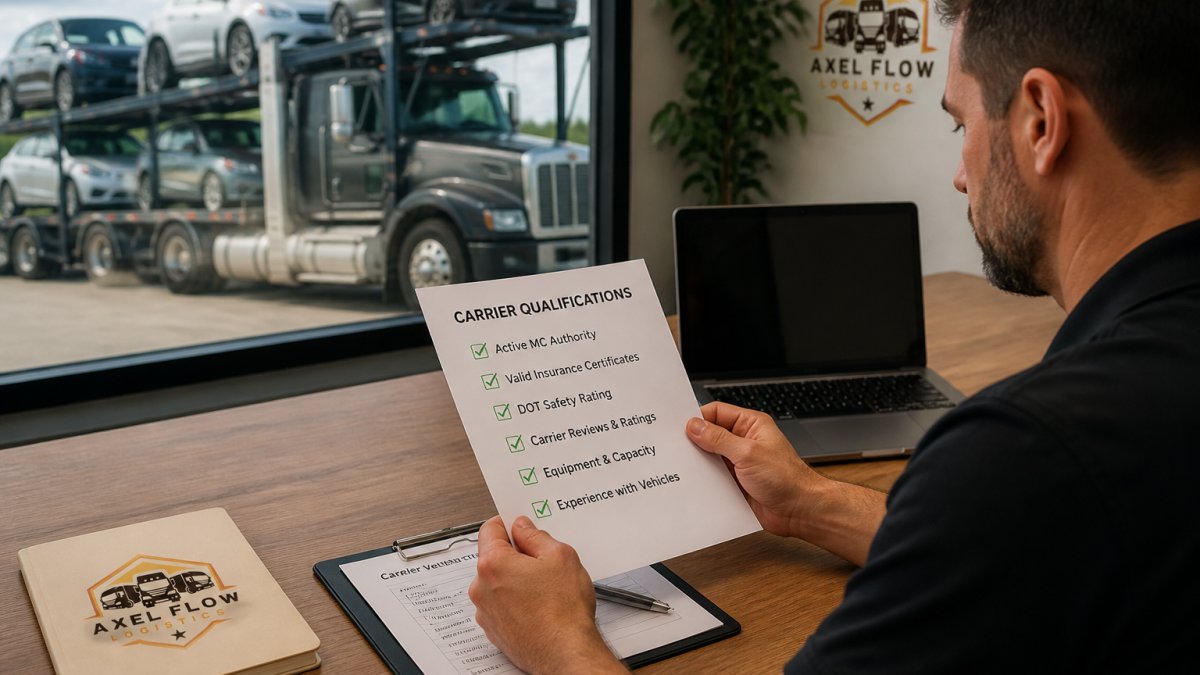
- How to Verify Carrier Safety and Insurance Before Booking
- Getting an Instant Shipping Quote and Comparing Options
- Frequently Asked Questions
Last Updated: October 19, 2026
What Makes Reliable Car Transport for Individuals Different
Moving a vehicle across state lines is different from booking standard shipping. Your car is an asset you depend on, and reliable car transport for individuals requires a different approach than dealerships or fleet operators use, one that can save you thousands in hidden fees and headaches.
Most individuals shipping a single vehicle face a core problem: they're too small for direct carrier attention but too important to trust to the first broker they find. You need a partner who specializes in single-vehicle moves, understands compliance requirements, and won't disappear after taking your deposit.
Reliable car transport comes down to three things: transparency about pricing and timelines, rigorous vetting of the actual carrier, and real support when something goes wrong. A broker who cuts corners on carrier selection might save you $200 upfront but leave you liable if the carrier lacks proper insurance or mishandles your vehicle.
Car Shipping Broker vs Carrier: Which One Protects Your Vehicle
A carrier physically moves your vehicle: they own the trucks, employ the drivers, and hold the liability insurance. A broker is the middleman, they take your shipment details, find a carrier with capacity, negotiate rates, and manage logistics and communication with the driver.
Carriers offer direct accountability, but individual carriers often lack the resources to find capacity quickly, so you might wait longer or pay premium rates. Brokers access networks of vetted carriers and can often secure faster pickup and competitive pricing, but you're trusting their carrier selection process, which varies wildly.
Here's the practical reality: a broker who vets carriers rigorously, checking FMCSA safety records, verifying insurance, confirming customer reviews, often provides better protection than calling a random carrier directly. The broker's reputation depends on every shipment arriving safely.
When choosing between them, ask this: Does the broker publicly share their carrier vetting criteria? Can they name the carrier assigned to your shipment before you pay? Will they provide the carrier's FMCSA number and insurance certificate?
Top Providers for Reliable Car Transport
Finding a provider you can trust means checking the details that matter: carrier vetting standards, insurance coverage, and what happens when something goes wrong.
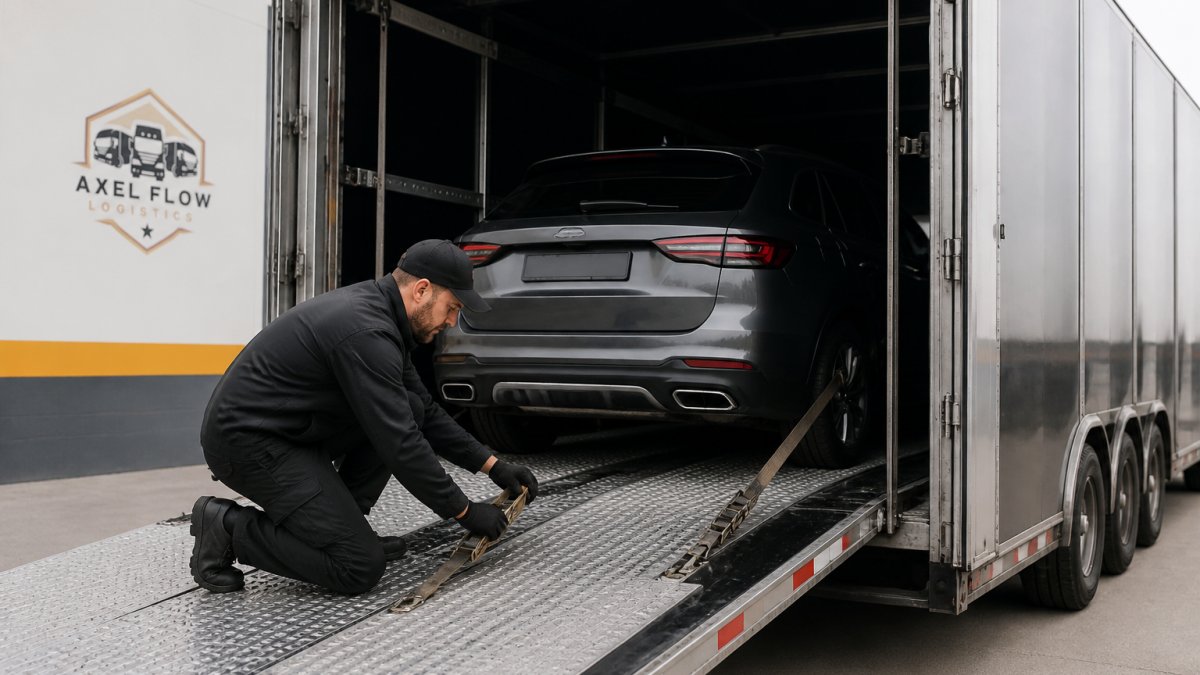
Axel Flow Logistics: FMCSA-Registered Broker with Bilingual Support
We built Axel Flow Logistics for individuals and families who need reliable car transport without the complexity. As an FMCSA-registered broker, we maintain compliance standards that protect every shipment, and our bilingual English and Spanish communication eliminates a major source of miscommunication that derails other shipments.
What sets us apart is our carrier vetting process. We don't just book the cheapest available truck, we verify FMCSA safety records, confirm current insurance, and review customer feedback before assigning a carrier. Our routing strategies use real-time market data to find carriers with proven track records on your specific route, typically meaning faster pickup and better handling.
For individuals shipping a single vehicle, this delivers two concrete benefits: reduced transit times from efficient route matching, and minimized risk because your assigned carrier has passed our safety screening. You get transparent upfront pricing, no surprise fees at pickup, and proactive compliance checks that verify insurance before your car leaves.
Mercury Auto Transport: Transparent Quote-Based Pricing
The transparency works well for comparison shopping, though your actual quote depends on vehicle condition, pickup flexibility, and current carrier availability.
RoadRunner Auto Transport: Free Instant Estimates
RoadRunner Auto Transport offers a free online calculator that generates an estimate in 30 seconds with no upfront deposit. The instant estimate gives you a quick ballpark figure, though the final price depends on factors the calculator can't assess, like vehicle condition or exact pickup location.
Reliable Carriers: Fully Enclosed Transport with $5M Insurance
| Provider | Service Model | Best For | Key Strength |
|---|---|---|---|
| Axel Flow Logistics | FMCSA broker with carrier vetting | Individuals prioritizing safety & compliance | Bilingual support, rigorous carrier screening |
| Mercury Auto Transport | Transparent quote-based pricing | Comparison shoppers | Example pricing for common routes |
| RoadRunner Auto Transport | Free instant online estimates | Quick pricing exploration | 30-second estimate, no deposit |
| Reliable Carriers | Enclosed transport specialist | High-value vehicles | $5M insurance, door-to-door service |
Documents Needed to Ship a Car Safely
Having the right paperwork ready before pickup prevents delays and confusion.
You'll need your vehicle's title or proof of ownership, the carrier won't move a car without verifying your right to transport it.
Your driver's license or government-issued ID confirms your identity. If someone other than the owner is arranging pickup, bring written authorization from the owner.
An odometer reading taken before pickup and after delivery protects both you and the carrier. Document the mileage in writing. If the carrier adds unexpected mileage during transport, you'll have proof.
Photos of your vehicle's condition before pickup are invaluable.
Keep your auto insurance policy or proof of coverage with you during the shipment. You're typically covered by your own policy during transport, but confirm this with your insurer before pickup.
A bill of lading is the carrier's receipt and contract. Review it carefully before signing. It should list your vehicle's condition, pickup and delivery locations, expected delivery date, and the agreed price.
Car Shipping Insurance Coverage: What You Actually Need
Most auto insurance policies cover your vehicle during transport by a professional carrier, with collision and comprehensive coverage typically applying. However, limits vary, some policies cap coverage at the vehicle's stated value, while others have deductibles.
Before booking, confirm three things with your insurance agent: that your policy covers professional car transport, the coverage limit, and whether a deductible applies.
Carriers carry liability insurance covering damage they cause during transport, but amounts vary, standard coverage is often $100,000 to $500,000 per vehicle, which may not be enough for high-value vehicles.
Get a Quote →
You can purchase additional shipping insurance from the carrier if your vehicle's value exceeds their standard coverage. This add-on typically costs $200 to $500, and for a vehicle worth more than $50,000, it's worth considering.
Car Shipping Checklist: Prepare Your Vehicle for Transport
Proper preparation reduces the risk of damage and ensures smoother pickup and delivery.
Before pickup:
- Wash and dry your vehicle completely, moisture trapped under dirt can cause paint damage during transport
- Check fluid levels (oil, coolant, brake fluid) and top off if needed; carriers won't add fluids during transit
- Ensure the battery is charged; the carrier needs to move the vehicle on and off the trailer
- Remove or secure any loose items inside (floor mats, seat covers, personal belongings)
- Disable alarm systems if possible; alarms triggered during loading can complicate pickup
- Leave the fuel tank between one-quarter and one-half full, enough for loading/unloading, not so much that weight affects transport
- Document current mileage and take photos of the vehicle's condition
- Confirm pickup location and time with the carrier 24 hours before
During transport:
- Keep your phone available; the carrier may need to contact you about timing changes
- Don't make major changes to your address or contact info without notifying the broker or carrier
- Track your shipment if the broker or carrier offers real-time updates
At delivery:
- Inspect your vehicle for any new damage before accepting delivery
- Check the odometer reading against the pre-pickup documentation
- Document the delivery condition with photos
- Review and sign the bill of lading only after confirming everything matches expectations
How to Verify Carrier Safety and Insurance Before Booking
You don't have to trust a broker's word about carrier safety. You can verify it yourself using public records.
Every commercial carrier in the United States has an FMCSA (Federal Motor Carrier Safety Administration) number. Ask your broker or carrier for it, then search the carrier's USDOT number in the FMCSA's SaferDB database (saferdb.fmcsa.dot.gov) to see safety ratings, inspection history, and any violations or complaints.
Look for clean safety records, few violations, good inspection scores, and minimal complaints. Multiple safety violations or a pattern of complaints is a red flag; the FMCSA data is public and updated regularly.
Insurance verification is equally important. Ask for a copy of the carrier's current insurance certificate, it should list the carrier as insured, show active coverage dates, and state coverage limits.
For additional peace of mind, check customer reviews on Google, Trustpilot, or the Better Business Bureau. Look for patterns: one bad review doesn't mean much, but consistent complaints about damage, delays, or pricing suggest a real problem.
Getting an Instant Shipping Quote and Comparing Options
Getting quotes from multiple providers is the only way to ensure fair pricing and the right service for your needs.
Gather what providers need first: your vehicle's year, make, model, and condition; pickup location and preferred date; delivery location and acceptable window; and whether you need open or enclosed transport. Having this ready speeds up the process.
Many providers offer online quote tools. These give a ballpark figure in minutes, though the final price may vary. Use instant estimates to narrow down options before contacting brokers directly.
When you contact brokers or carriers for detailed quotes, be specific. Don't just say "I'm shipping a car from Chicago to Miami." Instead: "I'm shipping a 2018 Honda Civic in good condition.
Compare at least three quotes, looking beyond price to pickup timing, delivery windows, insurance coverage, and rescheduling policies.
After selecting a provider, confirm everything in writing before payment: pickup and delivery dates (or windows), the carrier's name and USDOT number, insurance coverage limits, the total price with no hidden fees, and payment terms.
Choosing reliable car transport for individuals comes down to asking the right questions before you book. At Axel Flow Logistics, we've built our entire process around the questions individuals actually ask: How do I know the carrier is legitimate?
Frequently Asked Questions
How do I know if a car transport company is actually reliable and insured?
Verify the carrier's FMCSA registration through the Federal Motor Carrier Safety Administration database. Check their safety rating, accident history, and insurance coverage limits. Ask for proof of current liability insurance and cargo coverage before booking. A reliable car transport provider will provide these documents without hesitation and explain their insurance limits clearly.
What documents do I need to ship a car across state lines?
You'll need your vehicle's title or proof of ownership, a valid government-issued ID, and the vehicle keys. Some carriers request a pre-transport vehicle condition report. Have your insurance information available and confirm the destination address. Keep copies of your shipping agreement and carrier contact details. The carrier should provide a bill of lading as your receipt.
Should I use a car shipping broker or call a carrier directly?
A broker acts as a middleman, connecting you with vetted carriers and handling logistics, which saves time and reduces risk. Direct carriers offer one option but require more research on your part. Brokers like Axel Flow Logistics provide FMCSA compliance checks, bilingual support, and carrier vetting, which adds a layer of protection for individual shippers. The choice depends on whether you want convenience and verification or direct contact.
What does car shipping insurance coverage actually protect?
Standard carrier insurance covers damage caused by the transport company's negligence. Coverage limits vary. Your personal auto insurance typically does not cover transport damage. Confirm the exact coverage amount and what damage is included before booking. Ask whether the insurance covers weather-related damage, theft during transit, or only carrier negligence.
How long does reliable car transport typically take?
Transit time depends on distance, route, and carrier availability. Local transport within a few hundred miles typically takes 2-5 days. Long-distance shipping across multiple states usually takes 5-10 days. Factors like weather, road conditions, and pickup/delivery location scheduling affect timing. Request a specific delivery window when getting your quote to confirm realistic expectations.