 how-to
Avoiding Hidden Fees in Car Shipping: A 2026 Guide
Table of Contents
- Understanding Common Hidden Fees in Car Shipping
- How to Compare Car Shipping Quotes Effectively
- Reviewing Car Shipping Contract Fees Before Booking
- Car Shipping Deposit and Balance: What You Need to Know
- Understanding Car Shipping Cancellation Fees
- What to Do When Unexpected Fees Appear After Booking
- Step-by-Step Process to Avoid Hidden Fees
- Step 1: Disclose your complete vehicle and route details
- Step 2: Request a detailed, itemized quote in writing
- Step 3: Confirm all surcharges and service inclusions
- Step 4: Review the shipping contract line by line
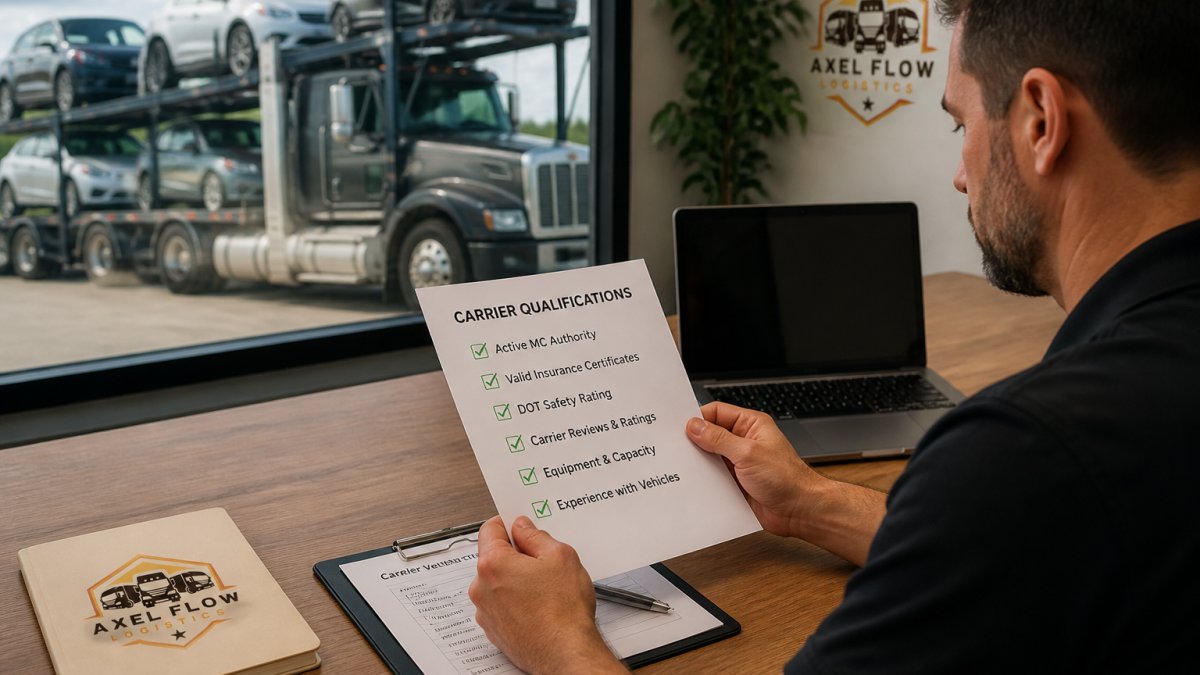
- Step 5: Verify carrier credentials and insurance
- Step 6: Confirm final price and payment terms before pickup
- Frequently Asked Questions
Last Updated: October 21, 2026
Understanding Common Hidden Fees in Car Shipping
When you request a car shipping quote, the number you see isn't always what you'll pay. Hidden fees in car shipping can add hundreds or thousands of dollars to your final bill. Knowing what these charges are, and where they hide, is the first step to avoiding hidden fees in car shipping.
The good news: most of these fees are predictable.
Fuel surcharges and variable fuel costs
Fuel surcharges are one of the most common add-ons in auto transport pricing.
A carrier quotes you a price based on current fuel rates. Gas prices jump.
How to spot it: Ask your broker or carrier directly: "Is fuel included in your quote, or will there be a fuel surcharge?" Get the answer in writing.
What to watch for:
- Fuel surcharges that appear as a percentage of the total (often 5-15%)
- Language like "subject to fuel adjustment" or "fuel surcharge applies"
- Quotes that don't mention fuel at all (that's a red flag)
Rural and remote delivery charges
Delivering to a rural or remote location costs more than delivering to a major city.
If your pickup or delivery location is more than 50 miles from a major highway or metro area, expect a rural delivery fee that varies with how remote your location is.
Common scenarios:
- Mountain communities
- Small towns far from interstate highways
- Farms or properties with long private driveways
- Islands or peninsulas requiring special routing
Request a detailed breakdown. Ask: "Will there be a rural pickup fee or remote delivery charge?" If yes, get the exact amount or percentage upfront.
Door-to-door service premiums
Door-to-door auto transport means the carrier picks up your vehicle at your location and delivers it to your destination.
Door-to-door costs more because carriers spend time and fuel reaching your specific address.
The difference:
- Door-to-door: Higher quoted price, but includes pickup and delivery to your address
- Terminal-to-terminal: Lower quoted price, but you handle logistics to and from terminals
Always confirm which service you're paying for. A quote that seems cheap might be terminal-to-terminal, not door-to-door.
Non-operable vehicle and special handling fees
If your vehicle doesn't run, you'll pay extra.
What counts as non-operable? A car that won't start, has a dead battery, failed brakes, or transmission problems.
Special handling fees also apply to:
- Classic or luxury vehicles requiring enclosed transport
- Oversized vehicles (lifted trucks, wide-body SUVs)
- Vehicles with modifications or custom parts
- High-value or collector cars
Ask your broker: "Does my vehicle qualify for any special handling charges?" Provide full details about your vehicle's condition and specifications.
How to Compare Car Shipping Quotes Effectively
Getting multiple quotes is essential, but comparing them is harder than it looks. One quote might be $200 cheaper yet include fewer services. Compare total landed cost, not the headline number.
Request itemized quotes with fee breakdowns
Never accept a quote that shows only one number. Demand an itemized breakdown listing every charge separately.
A proper itemized quote includes:
- Base transportation charge
- Fuel surcharge (if applicable, with amount or percentage)
- Rural or remote delivery fee (if applicable)
- Door-to-door service charge (if separate from base price)
When a broker or carrier refuses to itemize, that's a warning sign. Transparent providers break down pricing; hidden fees thrive in vague quotes.
Calculate total landed cost across providers
Total landed cost means the final amount you'll actually pay, including every fee, surcharge, and add-on.
Compare quotes this way:
| Quote Element | Provider A | Provider B | Provider C |
|---|---|---|---|
| Base transport | $1,200 | $1,100 | $1,150 |
| Fuel surcharge | $150 | $200 | $175 |
| Rural delivery fee | $300 | $300 | $0 |
| Non-operable fee | $0 | $0 | $200 |
| Insurance add-on | $50 | $75 | $50 |
| Total landed cost | $1,700 | $1,675 | $1,575 |
Provider C looks cheapest until you see the non-operable fee. Provider B has the highest fuel surcharge. Provider A charges for rural delivery. Side-by-side fees enable a real comparison.
Reviewing Car Shipping Contract Fees Before Booking
Your shipping contract is a legal document. It's also where hidden fees live. Read it carefully before you sign.
Red flags in shipping contracts
Watch for these warning signs in your contract:
Vague language: Phrases like "additional charges may apply" or "subject to market conditions" are too broad. A contract should specify exactly what charges might occur and when.
Missing fee definitions: If a fee is listed but not explained, ask before signing: What triggers it?
Blank spaces: Never sign a contract with empty fields where fees should be listed.
Fine print exclusions: Read the small print.
Unclear cancellation terms: Your contract should state exactly what you'll owe if you cancel.
Broker versus carrier responsibilities
Confusion often starts here: a broker is a middleman; a carrier actually moves your vehicle.
Your broker's job:
- Find available carriers
- Negotiate rates
- Handle your paperwork and communication
- Ensure the carrier is licensed and insured
Your carrier's job:
- Pick up and deliver your vehicle
- Maintain insurance during transport
- Handle day-to-day logistics
When a fee appears after booking, it might come from the carrier, not the broker, but your broker should have disclosed it upfront.
If a fee appears after booking, contact your broker first.
Car Shipping Deposit and Balance: What You Need to Know
Most carriers require a deposit before pickup. Understanding deposit terms prevents confusion later.
A typical deposit is 25-50% of the quoted price, paid at booking.
What to confirm about deposits:
- Is the deposit refundable if you cancel? (Most are, but terms vary)
- When is the balance due? (Before pickup, at pickup, or at delivery?)
- What payment methods are accepted? (Some carriers charge extra for credit cards)
- Does the deposit hold your booking for a specific timeframe? (If you don't book within 7 days, do you lose it?)
Get deposit and payment terms in writing. If the contract doesn't state them clearly, ask your broker to add them before you sign.
Understanding Car Shipping Cancellation Fees
Plans change, and you might need to cancel. Before you book, understand what that will cost.
Cancellation fees vary widely. Some carriers charge nothing if you cancel before the pickup date; others charge a percentage of the quoted price even if they haven't started moving your vehicle.
Common cancellation policies:
- Free cancellation up to 7 days before pickup
- 25% of the quote if you cancel 3-7 days before pickup
- 50% of the quote if you cancel 1-3 days before pickup
- Full charge if you cancel after pickup has started
Ask your broker: "What's your cancellation policy?" Get it in writing. A legitimate broker will provide clear terms without hesitation.
What to Do When Unexpected Fees Appear After Booking
You've reviewed the quote. You've signed the contract. Now a new fee shows up on your invoice. This happens more often than it should.
Verify fee legitimacy against your contract
First, check your contract. Is this fee listed? If yes, you agreed to it (even if you didn't notice).
Compare the invoice to your contract line by line. Does the fee match something in your contract?
If you can't find the fee in your contract, it may not be legitimate.
Document communications and escalate disputes
If a fee appears that wasn't in your contract or quote, take these steps:
Step 1: Contact your broker in writing. Email, don't call. You need a record. Say: "I received an invoice with a [fee name] charge of [amount]. This fee does not appear in my contract or original quote. Please explain this charge and provide documentation."
Step 2: Request justification. Ask the broker to explain why the fee is legitimate.
Step 3: Escalate if needed. If the broker can't justify the fee, ask to speak with a manager.
Step 4: Document everything. Keep all emails, quotes, contracts, and communications. If you file a complaint with a regulatory body, you'll need this paper trail.
Step-by-Step Process to Avoid Hidden Fees
Following these steps dramatically reduces the chance of surprise charges.

Step 1: Disclose your complete vehicle and route details
Start with full transparency. Provide your broker with:
- Complete vehicle information (make, model, year, condition, modifications)
- Exact pickup and delivery addresses (including whether they're rural or remote)
- Vehicle condition (does it run? Any mechanical issues?)
- Any special requirements (enclosed transport, expedited delivery, etc.)
Don't leave anything out. Every detail affects your quote. A broker with incomplete information will either underquote you (leading to surprise fees later) or overquote you (charging for contingencies that won't happen).
Step 2: Request a detailed, itemized quote in writing
Never accept a verbal quote. Always request a written quote that breaks down every charge:
- Base transportation fee
- All applicable surcharges (fuel, rural delivery, non-operable, etc.)
- Service inclusions and exclusions
- Deposit amount and due date
A written quote is your protection. It's proof of what you agreed to.
Step 3: Confirm all surcharges and service inclusions
Before you commit, call your broker back and confirm every surcharge verbally. Say: "I want to make sure I understand all the charges. You've quoted me a $150 fuel surcharge.
Go through each line item and make sure you understand what you're paying for and when you'll be charged.
Step 4: Review the shipping contract line by line
Your contract is a legal document. Read every word, including the fine print, and ask your broker to explain any term you don't understand.
Pay special attention to:
- Fee definitions and amounts
- When fees are charged
- Cancellation and refund terms
- Insurance coverage and exclusions
- Dispute resolution procedures
If something in the contract contradicts your quote, flag it immediately. Get clarification in writing before you sign.
Step 5: Verify carrier credentials and insurance
Your broker should provide:
- Carrier name and USDOT number
- Proof of current insurance
- Safety record information
Verify the USDOT number on the Federal Motor Carrier Safety Administration (FMCSA) website. Check that the carrier is licensed, insured, and has a clean safety record. This protects you if something goes wrong during transport.
Step 6: Confirm final price and payment terms before pickup
Before the carrier picks up your vehicle, confirm:
- Final total price (including all fees and surcharges)
- Deposit amount (if already paid)
- Balance due (and when it's due)
- Payment method accepted
- Who to contact if you have questions
Get this in writing as a final confirmation. Don't let the carrier pick up your vehicle until you've confirmed everything in writing.
Hidden fees in car shipping aren't inevitable. They happen when communication breaks down or when you don't ask the right questions. At Axel Flow Logistics, we believe in transparent pricing and clear communication from start to finish.
Frequently Asked Questions
What are the most common hidden fees in car shipping?
Common hidden fees include fuel surcharges that fluctuate with market prices, rural or remote delivery charges for locations outside major metropolitan areas, door-to-door service premiums, non-operable vehicle handling fees, extra stop charges, terminal storage fees, and payment method surcharges. Always request an itemized quote that specifies each potential charge so nothing surprises you at pickup or delivery.
How do I compare car shipping quotes to find the true total cost?
Request itemized quotes from multiple carriers that break down base transport cost, fuel surcharge, pickup/delivery fees, insurance add-ons, and any location-based charges. Calculate the total landed cost for each quote, not just the base price. Verify what service inclusions are covered and ask which fees are fixed versus variable. This comparison reveals which provider offers the best value, not just the lowest initial quote.
Can a car shipping company change the price after I book?
Price changes after booking depend on your contract terms. Most legitimate carriers lock the total price once you sign, but some contracts allow fuel surcharge adjustments or charge extra fees if vehicle condition differs from your description or pickup circumstances change. Always confirm in writing whether the quoted price is guaranteed or subject to adjustment, and understand what conditions might trigger additional charges.
What should I look for in a car shipping contract to avoid hidden fees?
Review the contract for a complete fee breakdown, payment schedule, cancellation policy, and what happens if the carrier doesn't arrive on time. Verify broker versus carrier responsibilities, your broker should disclose which party handles pickup and which handles delivery. Confirm insurance coverage limits and what damage or loss is covered. Ask for clarification on any vague language like 'additional charges as needed' before signing.