 Ultimate guide
The Safe Cross-Country Vehicle Shipping Guide
Last Updated: November 19, 2026
Quick Summary
Safe cross-country vehicle shipping moves your car through a licensed broker and a vetted carrier, with documented inspections at pickup and delivery and verified cargo insurance covering the vehicle in transit. The riskiest moments are the two handoffs and the paperwork you sign, so note every imperfection on the bill of lading before signing.
- Confirm the carrier's MC and DOT numbers show active authority in the FMCSA database.
- Check the certificate's cargo coverage limit against your vehicle's value before dispatch.
- Enclosed transport suits classics and luxury cars; open transport is the lower-cost default.
- Write any new damage on the bill of lading before signing the proof of delivery.
- Disclose inoperable, lifted, or modified vehicles at booking, not at pickup.
Table of Contents
- How Safe Cross-Country Vehicle Shipping Works
- Verifying Carrier Licensing and Insurance Before You Book
- Cross-Country Car Shipping Cost: What Drives Your Quote
- How to Avoid Car Shipping Scams and Quote Red Flags
- Your Car Shipping Documents Checklist for Pickup and Delivery
- Car Shipping Delivery Inspection: What to Check Before You Sign
- Preparing Your Vehicle and Handling Delays, Weather, and Special Cases
- Booking Your Vehicle Shipment with Axel Flow Logistics
- Frequently Asked Questions
How Safe Cross-Country Vehicle Shipping Works
Safe cross-country vehicle shipping is the process of moving a car between states through a licensed broker and a vetted carrier, with documented inspections at both ends and verified insurance covering the vehicle while it is in transit.
Most people assume the riskiest moment is the highway. It is not. The riskiest moments are the handoff at pickup, the handoff at delivery, and the paperwork you sign in between.
The process runs in a fixed order:
- You request a shipping quote with your pickup and delivery locations, vehicle type, and dates.
- You book with a broker, who posts the load to carriers with available trucks on your route.
- A carrier accepts, and you agree on a pickup window.
- Both parties inspect the vehicle and sign a bill of lading at origin.
- The carrier transports the vehicle, and you track the shipment.
- At delivery, you inspect again, note any damage, sign, and pay the balance.
Brokers, Carriers, and Who Is Actually Liable
The broker arranges the shipment; the carrier owns the truck and holds the vehicle. Your carrier's cargo insurance covers damage in transit, and the broker's job is to confirm that coverage exists before dispatch, which is why why working through an auto transport broker matters when something goes wrong.
A common mistake is assuming the broker's name on the quote means the broker's insurance is on the hook. It does not. Ask who the carrier is, get their operating authority, and confirm the coverage limits before the truck arrives.
Open vs. Enclosed Transport: Which Protects Your Car Better
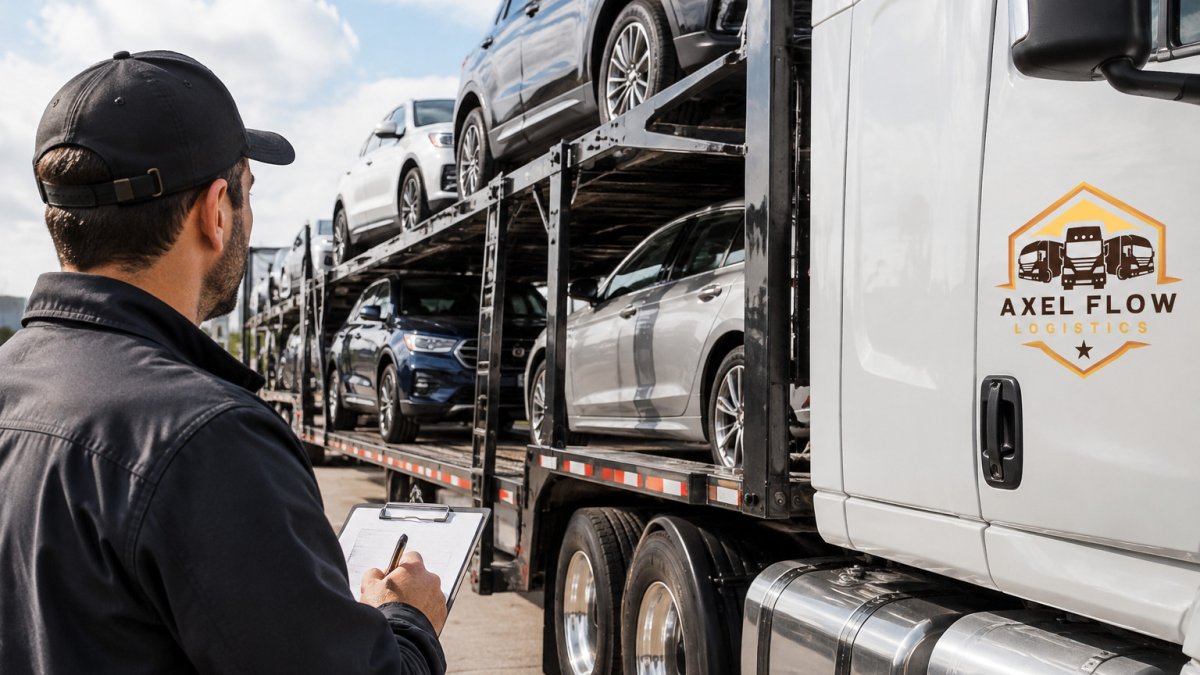
Enclosed transport shields the vehicle from road debris and weather, while open transport is the common, lower-cost option for everyday vehicles. Both are safe when the carrier is vetted; the choice comes down to vehicle value and condition.
| Feature | Open Transport | Enclosed Transport |
|---|---|---|
| Cost | Lower | Higher |
| Weather exposure | Direct | Sheltered |
| Road debris risk | Moderate | Minimal |
| Best for | Daily drivers, older vehicles | Classics, luxury, modified cars |
| Availability | Broad | Narrower |
For a daily driver, open transport is the sensible default. If you are weighing it further, compare open and enclosed auto transport in more detail before booking.
Verifying Carrier Licensing and Insurance Before You Book
A legitimate carrier holds active operating authority with the Federal Motor Carrier Safety Administration and carries cargo insurance that covers the vehicle as freight while it is in the carrier's custody. Verification takes minutes, but only if you know what you are looking at.
What operating authority actually means
An MC number identifies the carrier's operating authority; a DOT number identifies the carrier in the FMCSA's safety database. Active authority means the carrier is registered to haul for hire in interstate commerce, it does not, by itself, tell you the carrier is safe or well-insured.
Ask for the carrier's legal name, MC number, and DOT number, then check all three against the FMCSA's official carrier database. Confirm the authority status is active, not pending or inactive, and confirm the legal name on the record matches the name on your quote. A mismatch is a reason to pause.
Reading the insurance certificate
Ask for the certificate of insurance and read four things: the effective and expiration dates, the cargo coverage limit, the deductible, and the named insured. The cargo limit is the ceiling on what the policy will pay for damage to vehicles in transit; if your vehicle's value exceeds that limit, the carrier is underinsured for your load and you should either negotiate or walk. The deductible is what the carrier pays out of pocket before insurance responds, and it can affect how a small claim is handled.
Watch out: a certificate that expired last month looks identical to a current one at a glance, and a certificate showing a high liability limit says nothing about cargo coverage, check the cargo line specifically, not the auto liability line.
Broker versus carrier liability in a claim
The broker arranges the shipment; the carrier owns the truck and holds the vehicle. Liability follows the truck, not the phone call. Your carrier's cargo insurance covers damage in transit, and the broker's job is to confirm that coverage exists before dispatch, which is why why working through an auto transport broker matters when something goes wrong. A common mistake is assuming the broker's name on the quote means the broker's insurance is on the hook.
A five-minute verification checklist
- Legal name, MC number, and DOT number match the FMCSA record
- Operating authority status is active
- Certificate of insurance is current, with effective and expiration dates visible
Our step-by-step insurance verification guide walks through the exact records to request and the questions to ask when a certificate looks ambiguous.
Cross-Country Car Shipping Cost: What Drives Your Quote
Cross-country car shipping cost depends on distance, vehicle size and condition, transport type, fuel prices, season, and how flexible your dates are. Two quotes for the same route can differ because one assumes terminal-to-terminal shipping and the other assumes door-to-door service.
The price factors that move a quote most:
- Distance and route. Major corridors carry more carrier availability and competitive rates; remote pickup locations cost more.
- Vehicle dimensions. Lifted trucks and long-wheelbase SUVs take more deck space.
- Operability. An inoperable vehicle needs a winch and costs extra.
Pricing at Axel Flow Logistics depends on your route, dates, and vehicle. Request a quote on our website for current pricing and a breakdown of your shipment.
How to Avoid Car Shipping Scams and Quote Red Flags
Car shipping scams almost always start with a quote that is too low. A broker who quotes well under the market to win the booking, then raises the price at pickup or disappears after collecting a deposit, is running the oldest play in the industry.
Red flags to walk away from:
- A quote far below every other bid for the same route
- A demand for full payment upfront, before a carrier is assigned
- No MC or DOT number, or a refusal to provide one
The bait-and-switch pattern is well documented, and our guide to avoiding bait and switch auto transport breaks down the tactics line by line. A reputable broker gives you the carrier's identity before dispatch and puts the deposit terms in writing.
Your Car Shipping Documents Checklist for Pickup and Delivery
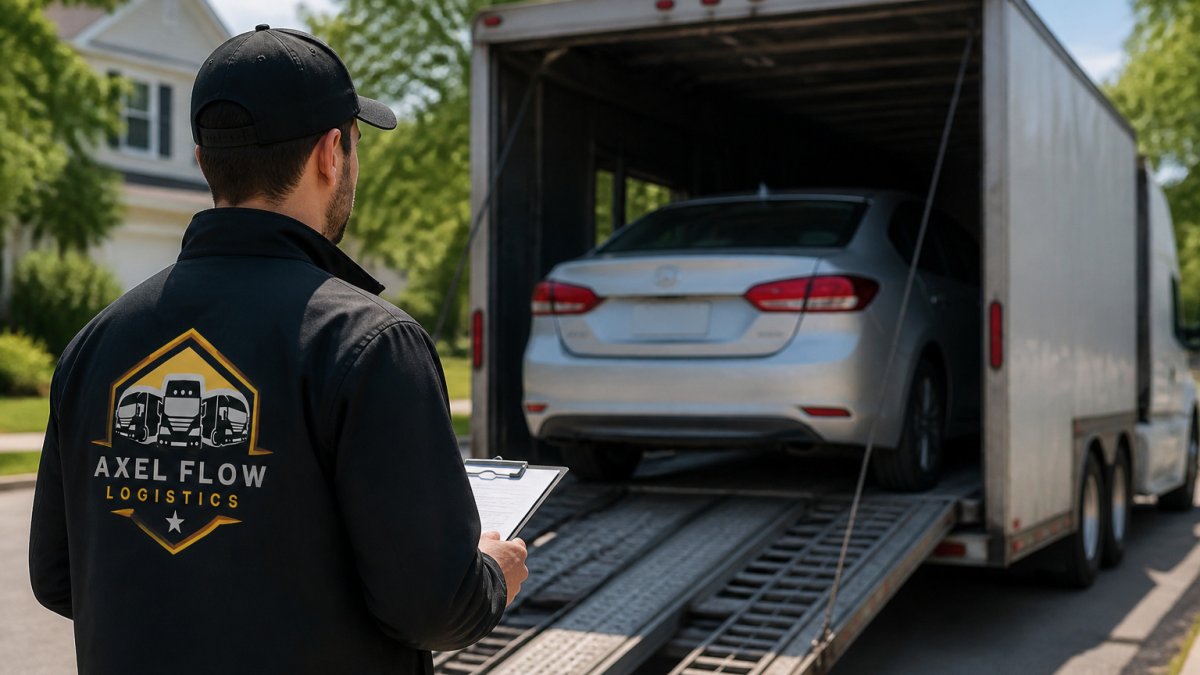
The car shipping documents checklist is short, but every item protects you if a damage claim arises. The bill of lading is the contract that governs the shipment: anything not written on it at pickup is assumed to have been in good condition, and anything not written on it at delivery is assumed to have arrived undamaged. That single document decides most claims, so treat both handoffs as evidence-gathering events, not paperwork.
At pickup
- Signed bill of lading from origin, with condition notes for every existing scratch, dent, chip, and scuff
- Dated photos of all four sides, roof, wheels, glass, and odometer, taken in good light
- Carrier name, MC number, driver name, and driver phone number
Walk the vehicle with the driver, not after the driver leaves. Point at each imperfection and watch it get written down. A photo without a matching bill-of-lading notation is weaker evidence than a notation with a photo.
At delivery
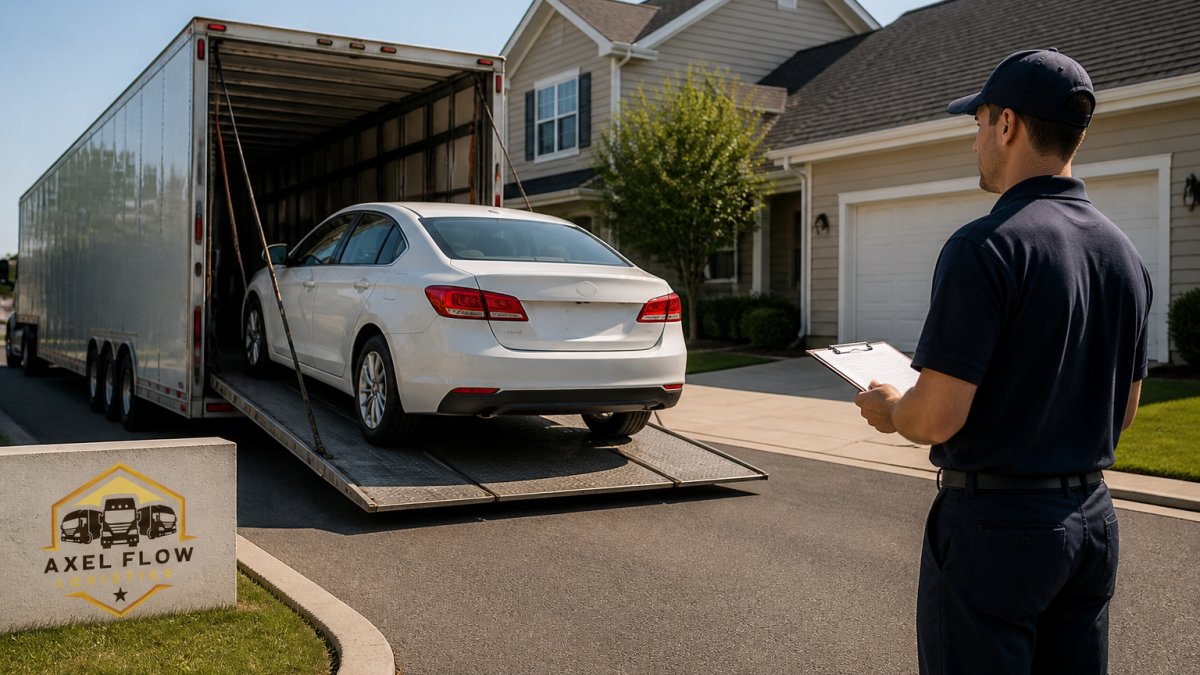
- Delivery inspection notes and photos taken before signing anything
- Odometer reading compared to the origin reading
- Key count matched to the origin count
Watch out: signing the proof of delivery before the walk-around converts the inspection into an acceptance, once you sign clean, the carrier's position is that the vehicle arrived undamaged.
If you find damage at delivery
Write the damage on the bill of lading before signing, photograph it on the spot from multiple angles, and keep your origin photos as the comparison record. Then file the claim with the carrier's insurance, not the broker's, and keep copies of the bill of lading, photos, and any correspondence. Most carriers have a claim window stated in their terms, so file promptly rather than waiting for a repair estimate.
Car Shipping Delivery Inspection: What to Check Before You Sign
A delivery inspection is a documented walk-around of the vehicle at the destination, compared against the origin condition report, completed before you sign the proof of delivery. Sign first and you accept the vehicle as-is.
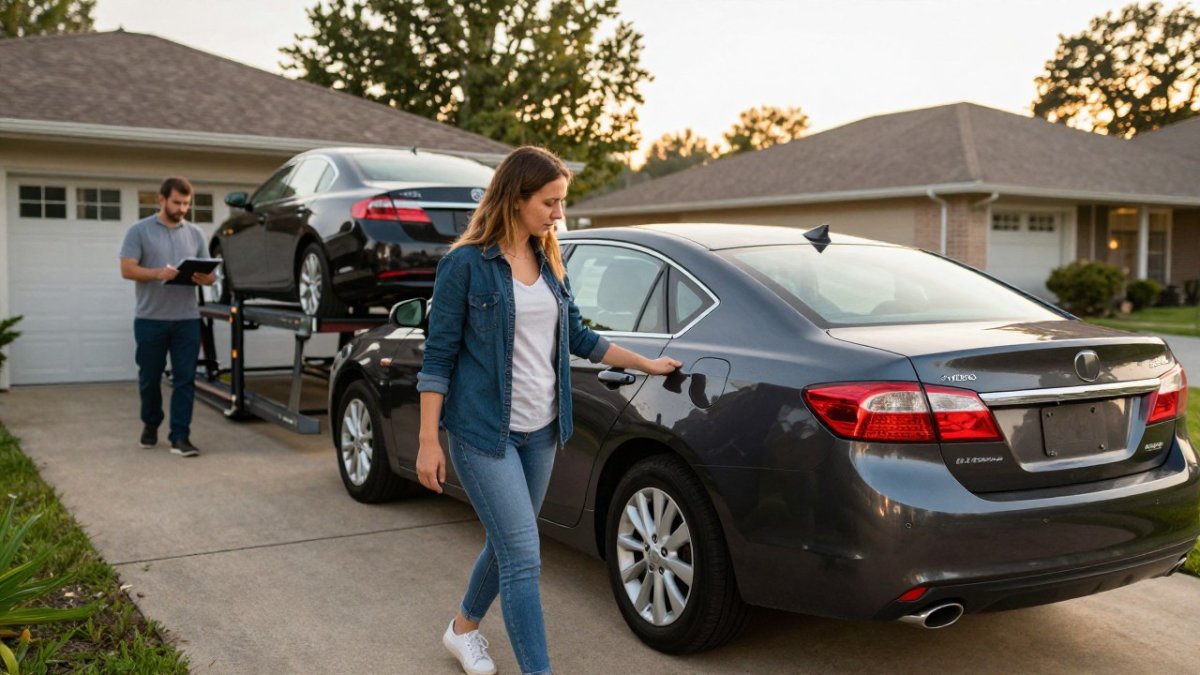
If you find damage, write it on the bill of lading before signing and photograph it on the spot. A carrier cannot dispute a notation made at delivery.
Preparing Your Vehicle and Handling Delays, Weather, and Special Cases
Preparation is where most avoidable problems are prevented. Our 10 tips to prepare your car for shipping covers the full list.
Weather and route contingencies are normal, not exceptional. Winter storms close mountain passes, hurricane season reroutes southern corridors, and construction adds days.
Special cases need disclosure at booking, not at pickup:
- Inoperable vehicles require a winch-equipped carrier.
- Modified or lifted vehicles may exceed standard deck height and need a different trailer.
- Classic and luxury cars usually warrant enclosed transport.
Disclose the condition accurately. A carrier that arrives expecting a running car and finds a non-runner can refuse the load or charge more on the spot.
Booking Your Vehicle Shipment with Axel Flow Logistics
Axel Flow Logistics is an FMCSA-registered and licensed broker. We vet carriers against safety and insurance standards, run compliance checks before dispatch, and provide bilingual communication between customers and drivers.
Get a quote, review the carrier details before dispatch, and ship with the paperwork handled properly from pickup to delivery.
Moving a car across the country should not feel like a gamble on an unknown truck.
Frequently Asked Questions
How do I avoid getting scammed when shipping my car?
Verify the broker's FMCSA registration and the carrier's operating authority and insurance before paying anything. Never wire money to a personal account, and treat quotes far below the market as a warning sign. Get the pickup window, total price, and cancellation terms in writing, and keep a signed bill of lading at both ends. A legitimate vehicle shipping company will answer licensing questions without hesitation.
What documents do I need to ship a car?
You need the vehicle title or a lienholder release, a valid photo ID, proof of insurance, and a signed bill of lading at pickup and delivery. If someone else drops off or collects the car, add a notarized power of attorney naming them. Keep copies of the condition report and photos with the paperwork. A car shipping documents checklist kept in one folder prevents handoff delays.
What is the average cost to ship a car cross country?
Cross-country car shipping cost depends on distance, vehicle size, fuel prices, season, and whether you choose open or enclosed transport. Open transport is the cheaper option for most sedans and SUVs; enclosed costs more because it protects against road debris and weather. Get a written quote based on your exact addresses and dates rather than relying on a national average.
Is open or enclosed transport safer for long-distance shipping?
Both are safe when the carrier is licensed and insured. Open transport carries most vehicles and exposes them to road debris, weather, and dust. Enclosed transport costs more and suits classic, luxury, or modified cars where paint and bodywork matter. For a daily driver, open transport is usually the practical choice.
How long does cross-country car shipping take?
Most cross-country moves take roughly 7 to 14 days door to door, depending on route density and carrier availability. Pickup windows are typically a few days wide because carriers combine loads. Ask for a delivery window rather than a single date, and build a buffer of a few days around your move-in date.
What should I check when my car is delivered?
Do a full walkaround with the driver before signing anything. Compare the car to the pickup condition report, photograph any new damage, note the odometer reading, and confirm personal items are accounted for. Write any damage on the bill of lading and get the driver's signature. Report claims to the broker and carrier promptly with your photos and paperwork.
Can I ship personal items inside my car?
Most carriers allow a small amount of personal belongings in the trunk, but rules vary and items are usually not covered by cargo insurance. Never pack anything valuable, fragile, or hazardous, and keep the load under about 100 pounds. Ask the broker in writing before you pack so nothing is removed at pickup.