 how-to
Avoiding Bait and Switch Auto Transport: A Step-by-Step Guide
Table of Contents
- What Is a Bait and Switch Scam in Auto Transport?
- Red Flags and Auto Transport Broker Red Flags to Watch For
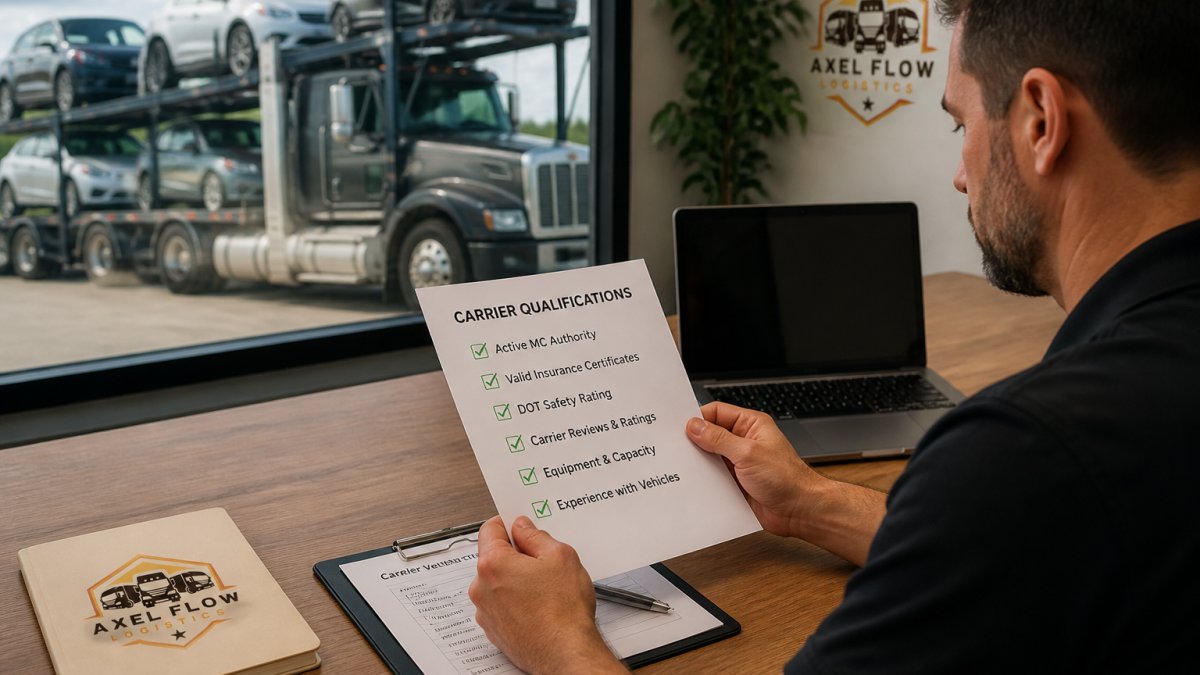
- How to Verify a Carrier's Legitimacy Before Booking
- Questions to Ask an Auto Transport Broker Before Signing
- How to Compare Auto Transport Quotes Fairly
- What to Do If Your Car Shipping Quote Changed After Booking
- Steps to Take If You Fall Victim to a Bait and Switch Scam
- Frequently Asked Questions
Last Updated: October 16, 2026
What Is a Bait and Switch Scam in Auto Transport?
A bait and switch scam in auto transport happens when a broker or carrier quotes you one price, then demands significantly more money before pickup or delivery. You get quoted $800.
This is not a rare glitch. It's a deliberate pricing trap. The initial quote is artificially low to hook you. Once you've committed, signed paperwork, paid a deposit, arranged your schedule, the real price emerges.
The scam works because most people don't know how to verify legitimacy upfront. They don't read contracts carefully. They don't check FMCSA registration. They don't ask the right questions.
At Axel Flow Logistics, we help customers navigate this exact problem by focusing on avoiding bait and switch auto transport schemes. This guide walks you through how to spot the trap before you fall into it.
Red Flags and Auto Transport Broker Red Flags to Watch For
Not every low quote is a scam. But certain red flags signal trouble. Learn to spot them.
Extremely Low Initial Quotes
If a quote seems too good to be true, it probably is.
A legitimate carrier factors in fuel, labor, insurance, and vehicle handling. They price based on distance, vehicle weight, and current market conditions. A realistic quote reflects these costs. An unrealistically low quote doesn't.
Here's what happens: A broker quotes you $600 for a 1,200-mile transport. The market rate is $1,100. You think you found a deal. You sign. Then, two weeks later, the carrier calls.
The initial low quote was bait. The price increase is the switch.
Compare quotes from multiple sources. Get at least three. If one quote is dramatically lower than the others, ask why. Request a detailed breakdown of costs. A legitimate broker explains every line item. A scammer keeps it vague.
Pressure to Pay Upfront Deposits
Legitimate carriers ask for deposits. Scammers rush you to pay them.
A standard non-refundable deposit is typically 10-25% of the total quote. That's normal. What's not normal is aggressive pressure to pay immediately without reviewing the contract. Phrases like "I can only hold this price for 24 hours" or "We need payment today or the quote expires" are pressure tactics.
Real carriers give you time to review documents. They answer questions. They don't rush.
A scammer wants your money before you have time to think. Once the deposit clears, you're committed. They know you're unlikely to lose that money by canceling. Now they can adjust the final price upward.
Never pay a deposit without reviewing the full contract. Never pay because someone pressured you. Take your time. Legitimate brokers respect that.
Vague Contract Language and Hidden Fees
Read your contract word by word. If you don't understand something, ask.
Scammers use vague language on purpose. They hide fees in fine print. They use undefined terms like "fuel adjustment," "route modification fee," or "handling surcharge." These terms sound official but mean nothing. They give the carrier an excuse to add charges later.
A legitimate contract specifies:
- The pickup and delivery locations
- The vehicle description and condition
- The total quoted price
- What is included in that price
- What costs might change (fuel, tolls, etc.) and by how much
- The pickup and delivery window
- The cancellation policy
- Insurance coverage details
If the contract doesn't include these, don't sign. If it has terms you don't understand, ask the broker to explain them in writing. If they refuse or give you a runaround, move on to another broker.
How to Verify a Carrier's Legitimacy Before Booking
Before you hand over money, verify that the carrier is real, licensed, and insured.
Check FMCSA Registration and USDOT Number
Every legitimate auto transport carrier operating in the U.S. must have a USDOT number and FMCSA registration. This is not optional. If a carrier doesn't have one, they're operating illegally.
Ask the broker for the carrier's USDOT number and MC number. Then verify it yourself. Go to the FMCSA's official Safety and Fitness Electronic Records (SAFER) database. Search the USDOT number. You'll see:
- The carrier's legal name
- Their safety rating
- Any violations or complaints filed against them
- Insurance information
A legitimate carrier has a clean or minor violation history. If the carrier has multiple serious violations, safety failures, or a pattern of complaints, that's a red flag. Don't use them.
Also ask the broker: "What is the carrier's safety rating?" A carrier with a "Satisfactory" rating is safe. "Conditional" or "Unsatisfactory" means they've failed safety inspections. Avoid them.

Confirm Insurance Coverage and Safety Ratings
Insurance protects you if something goes wrong during transport. A carrier without proper insurance is a liability.
Ask the broker:
- "What is the carrier's insurance limit?"
- "Can you provide a certificate of insurance?"
- "What does the insurance cover?"
Most carriers carry $100,000 to $300,000 in liability insurance. Request a copy of the insurance certificate before signing anything. Verify it's current. Call the insurance company directly if you need to confirm.
Also check the carrier's safety rating in the SAFER database. Look for their Compliance, Safety, and Accountability (CSA) scores. These measure how well the carrier complies with safety regulations. A good score means the carrier runs a tight operation. A poor score suggests they cut corners, which could mean damage to your vehicle or missed pickups.
Questions to Ask an Auto Transport Broker Before Signing
Before you commit, ask these questions. A legitimate broker answers all of them clearly and in writing.
-
"What is included in the quoted price?", Get a detailed breakdown. What's covered? What costs extra?
-
"Can the final price change after I sign?", A legitimate broker will provide clear terms regarding price changes. Scammers often use vague language about 'market conditions.'
-
"What is your cancellation policy?", How much of my deposit do I get back if I cancel? When can I cancel without penalty?
Get a Quote →
-
"What happens if the carrier doesn't show up on the promised date?", Do I get a refund? A discount? What's your recourse?
-
"Can you provide the carrier's USDOT number and insurance certificate before I sign?", If they refuse, walk away.
-
"What is the pickup and delivery window?", Don't accept vague language like "sometime in the next week." Get specific dates.
-
"Will I have real-time tracking during transport?", Can you check where your vehicle is? Can the broker provide updates?
-
"What happens if my vehicle is damaged during transport?", How do I file a claim? What's the process?
Write down the answers. Ask the broker to send them to you in writing. If they won't, that's a warning sign.
How to Compare Auto Transport Quotes Fairly
Comparing quotes is essential. But you need to compare apples to apples, not apples to oranges.
When you get multiple quotes, make sure they're quoting the same service:
- Same pickup and delivery locations
- Same vehicle (same make, model, year)
- Same transport type (open or enclosed)
- Same pickup and delivery dates
If the quotes vary widely, ask why. Is one broker quoting a different route? A different vehicle weight? A different pickup window? Understand the differences before deciding.
Also compare what's included:
- Does the quote include door-to-door service or terminal-to-terminal?
- Does it include insurance?
- Are there fuel surcharges or other add-ons?
- What's the cancellation policy?
The cheapest quote isn't always the best. A $500 quote that turns into $1,200 is worse than a $900 quote that stays $900. Look for brokers who offer transparency and stand behind their pricing. When comparing options, consider whether you need Open Auto Transport for standard vehicles or Enclosed Auto Transport for added protection, these service types may affect pricing, so ensure you're comparing the same transport method across quotes.
What to Do If Your Car Shipping Quote Changed After Booking
You signed a contract at $950. Now the carrier says it's $1,150. What do you do?
First, review your contract. Does it explicitly state that the price is guaranteed?
Second, ask for a detailed explanation in writing. What specifically changed? How does that justify the price increase? Make them explain it clearly.
Third, contact the broker. If a carrier assigned by the broker is charging extra, the broker is responsible for managing that relationship. Push back.
Fourth, if the price increase is significant and unjustified, refuse to pay it. Inform the broker and carrier in writing that you're canceling the shipment and requesting a full refund of your deposit.
A legitimate broker will fight for you. A scammer will pressure you to pay. Know the difference.
Steps to Take If You Fall Victim to a Bait and Switch Scam
If you've been scammed, don't panic. You have options. Take action immediately.
Document Everything and Report to Consumer Protection Agencies
Gather all evidence:
- The original quote and contract
- All emails and text messages with the broker and carrier
- Bank statements showing deposits paid
- Photos of your vehicle before and after transport (if applicable)
- Any written communication about the price increase
Save everything in a folder. Make copies. You'll need this documentation for complaints and potential legal action.
Then report the scam to the Federal Trade Commission (FTC) at reportfraud.ftc.gov. The FTC investigates consumer fraud. They won't recover your money directly, but they use complaints to identify patterns and shut down scam operations.
Also contact your state's Attorney General's office. Most states have a consumer protection division. File a complaint there as well. Include your documentation.
File a Complaint With the FMCSA and FTC
File a formal complaint with the FMCSA's Safety and Fitness Electronic Records (SAFER) system. Describe what happened. Include the carrier's USDOT number.
Also file a complaint with the FTC's Bureau of Consumer Protection. Describe the scam in detail. Explain how much money you lost.
If you paid by credit card, dispute the charge with your credit card company. Explain that you were overcharged for a service.
If you paid by bank transfer or check, contact your bank. Explain the situation. Ask if they can reverse the transaction.
Consider consulting a consumer protection attorney. Many offer free consultations.
The key to avoiding bait and switch auto transport is knowing what to look for. Verify carrier legitimacy upfront. Read contracts carefully.
Frequently Asked Questions
What exactly is a bait and switch scam in auto transport?
A bait and switch scam occurs when a broker or carrier quotes you an attractive low price to secure your booking, then increases the final cost before pickup or delivery. The initial quote is the 'bait', designed to win your business, and the price hike is the 'switch.' Hidden fees, dispatch charges, or fuel surcharges often appear in the final bill. Legitimate brokers like Axel Flow Logistics provide transparent pricing upfront and honor quoted rates, protecting you from unexpected costs.
How can I tell if an auto transport quote is too low?
Quotes significantly below market rates are a warning sign. If one broker quotes $500 less than others for the same route and vehicle type, ask why. Scammers use low-ball quotes to attract customers, then inflate prices later. Request a detailed breakdown of all costs, pickup fee, delivery fee, fuel, insurance, from every broker. Compare apples to apples: same vehicle type, same pickup and delivery dates, same service level. Legitimate brokers are transparent about what's included.
What questions should I ask an auto transport broker before signing a contract?
Ask: (1) Is this quote binding or an estimate? (2) What fees are included, and what could change? (3) What is your carrier vetting process and insurance verification? (4) Do you have FMCSA registration and a valid MC number? (5) What happens if the carrier doesn't show on the promised date? (6) Can you provide real-time tracking? (7) What is your dispute resolution process? Get answers in writing and review the bill of lading carefully before the carrier arrives.
Can I get my money back if the carrier changes the price after I book?
This depends on your contract terms and whether the price change is justified. If your contract specifies a fixed price guarantee and the carrier raises the cost without legitimate reason (fuel surcharges explicitly stated in the contract are different), you have grounds to dispute it. Document all communications, review your service agreement, and contact your broker immediately. File a complaint with the FMCSA if the carrier is FMCSA-registered. Consumer protection agencies may help recover deposits if fraud is proven.