
 blog
Best Montway Alternatives for Shipping in 2026
Table of Contents
- Why Choose a Montway Alternative for Auto Transport
- Best Car Shipping Companies That Compete with Montway
- Auto Transport Broker vs. Carrier: Which Model Serves You Better
- Car Shipping Cost: How Alternatives Compare to Montway
- Car Shipping Time and Delivery Windows Across Providers
- Key Differences: Service Coverage, Insurance, and Transparency
- How to Choose the Right Montway Alternative for Your Needs
- Frequently Asked Questions
Last Updated: October 14, 2026
Why Choose a Montway Alternative for Auto Transport
When shipping a vehicle across state lines, the carrier you select makes all the difference. At Axel Flow Logistics, we work with individuals, families, and businesses relocating vehicles every day, and the right alternative depends on your needs, budget, and timeline.
The industry has evolved: brokers now compete on transparency, speed, and carrier quality. If you're exploring auto transport options, you're likely asking: Are there providers with better pricing? Can I get faster delivery? Will my vehicle actually be insured?
This guide explains what separates a strong alternative from a mediocre one and helps you identify which provider fits your situation.
Best Car Shipping Companies That Compete with Montway
Several carriers and brokers operate nationwide at the same volume as larger competitors. What matters is how they vet carriers, communicate with customers, and handle delays or damage claims.
Axel Flow Logistics stands out as a best Montway alternative for shipping because it combines broker expertise with rigorous carrier vetting and transparent pricing.
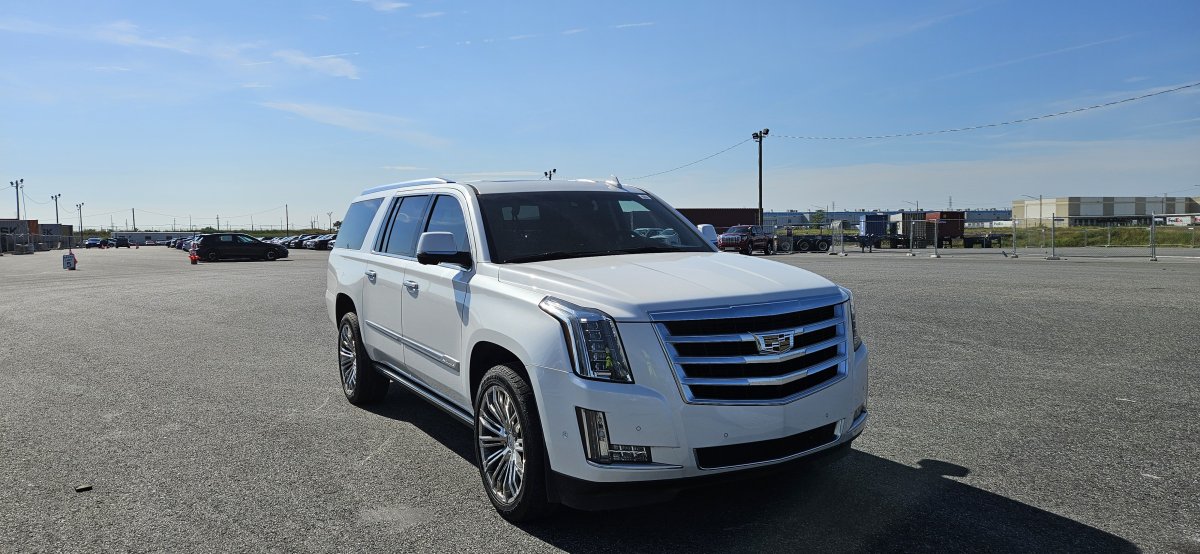
1000182318
When evaluating any auto transport provider, look for FMCSA registration, transparent carrier vetting, and clear communication. Ask how they handle delays, what insurance covers, and whether the final price can change after your quote.
What Makes a Strong Alternative
A strong provider demonstrates three core qualities: reliability, transparency, and accountability.
Reliability means carriers show up on the promised date and deliver your vehicle in the condition they accepted it. Reliable providers track shipments in real time, communicate proactively about delays, and maintain carriers with consistent performance records.
Transparency means you know the price before you commit, understand what's included, and get clear explanations if anything changes. Hidden fees and vague cost structures are red flags. The best alternatives explain how distance, vehicle size, and transport type affect your quote.
Accountability means the provider takes responsibility when things go wrong. If a carrier damages your vehicle, does the broker help you file a claim quickly? If pickup is delayed, do they communicate and offer solutions? A strong alternative has clear claim procedures, documented insurance, and fair dispute resolution.
Auto Transport Broker vs. Carrier: Which Model Serves You Better
This distinction directly affects which best Montway alternative for shipping makes sense for you.
Brokers act as intermediaries, matching your shipment with carriers from their network and managing logistics. Axel Flow Logistics operates as a broker.
The trade-off: brokers add a layer between you and the driver. If something goes wrong, you're working through the broker to resolve it with the carrier.
Carriers operate their own fleet or network of owner-operators, handling pickups and deliveries directly. The advantage: direct communication with the company moving your vehicle, no middleman.
The trade-off: carriers have limited capacity. If they're fully booked, you wait or go elsewhere. Their pricing is fixed, less room to negotiate.
For most individual shippers and families relocating, a broker model works better, more options and faster booking.
Car Shipping Cost: How Alternatives Compare to Montway
Cost is the first filter most shippers apply, and where the widest gap exists between advertised and actual price. Pricing isn't a single number, it's a range driven by five variables. Understanding them lets you compare any provider on equal footing instead of comparing a teaser quote to a final invoice.
The five variables that set your quote
1. Distance and route density. Cost per mile drops as distance increases, but only on corridors with return-trip demand.
2. Vehicle size and operability. A running compact sedan is cheapest to move. Full-size SUVs, lifted trucks, and dually pickups take more deck space and often carry a surcharge.
3. Transport type. Open transport is the default and cheapest. Enclosed transport, for classics, exotics, and anything with a soft top or fresh paint, typically adds 40-60% to the open rate.
4. Season and market demand. Auto transport is seasonal.
5. Pickup flexibility. A wide pickup window ("anytime in the next 7-10 days") almost always prices lower than a tight one ("must be picked up Tuesday between 9 and 11 a.m.").
Sample scenarios (illustrative, not quotes)
These directional ranges show how the variables interact; actual pricing depends on live carrier availability when you book.
- Running sedan, 800 miles, metro-to-metro, open, flexible window: roughly $700-$1,000.
- Same route, enclosed transport: roughly $1,100-$1,600.
- Lifted pickup, 2,400 miles coast-to-coast, open, tight window: roughly $1,600-$2,400.
- Inoperable classic, 1,200 miles, enclosed, guaranteed pickup: roughly $2,000-$3,000+.
What actually differs between Montway and its alternatives
Providers fall into different pricing postures:
- Brokers competing on volume: similar model to Montway, often within 5-15% on the same route. The differentiator is carrier vetting and communication, not headline price.
- Brokers competing on transparency: show the carrier's rate and their fee separately. You may pay slightly more, but you know where every dollar goes.
- Direct carriers: cut the broker margin, saving 10-20% on routes they run natively, but only if your route and dates match their existing load. Otherwise you wait or pay a premium.
The practical takeaway: when requesting quotes from multiple providers, submit identical details, same ZIPs, vehicle, transport type, and date window. Then ask each: What is included, what is not, and what would change this price? The provider that answers clearly in writing usually won't surprise you at delivery.
Car Shipping Time and Delivery Windows Across Providers
Transit time depends on distance and route, but also on how efficiently the broker or carrier manages pickups and consolidates loads.
A typical cross-country shipment takes 5-7 days with standard open transport; enclosed or expedited options can reduce this to 3-5 days but cost more. Regional shipments (within 500 miles) typically take 2-4 days.
The variable shippers often overlook: pickup window. Some carriers commit to pickup within 3-5 business days of booking; others take 7-10 days. If you need urgent transport, confirm the pickup timeline before booking. Axel Flow Logistics prioritizes rapid pickup through our carrier network and real-time market data.
Delays happen, weather, mechanical issues, traffic, and scheduling can push delivery past the estimate. A strong alternative communicates proactively and gives realistic revised timelines; silence during transit signals the shipment isn't being managed actively.
Key Differences: Service Coverage, Insurance, and Transparency
These three factors separate a strong auto transport option from a mediocre one.
Service Coverage refers to geographic reach and transport types. Some providers focus on major routes and struggle with rural pickups; others specialize in enclosed transport and don't offer open.
Insurance is where many shippers get burned. Standard auto transport includes basic liability coverage that often doesn't cover your vehicle's full value. Ask your provider: What's the maximum liability per shipment? Does the carrier carry additional insurance? Can you purchase supplemental coverage? What's the claims process?
Transparency encompasses pricing, carrier information, and communication. Can you see which carrier is assigned? Do you have a direct contact? Can you track your vehicle in real time?
How to Choose the Right Montway Alternative for Your Needs
The most useful way to choose isn't to rank providers overall, it's to match the provider's model to your priority. Below is a criteria-based framework you can apply to any provider.
The five criteria that actually predict your experience
Use the same five criteria for every provider, score each, then weight by what matters to you.
- Broker or carrier. Who arranges the shipment, and who physically moves the vehicle? A broker (Montway's model) matches you with a carrier from a network. A carrier owns the trucks. This affects communication, scheduling flexibility, and who you call when something goes wrong.
- Carrier vetting depth. Ask: How are carriers screened? Is FMCSA authority and insurance verified per shipment or only at onboarding? What is the minimum insurance limit required? A broker that verifies coverage for every load differs materially from one that checks once a year.
- Insurance and claims process. Ask for the carrier's liability limit in writing, the inspection protocol at pickup and delivery, and the exact steps to file a damage claim. The Bill of Lading you sign at pickup governs claims, photograph the vehicle and note every existing scratch before signing.
- Pickup and delivery windows. Get a committed pickup window in writing, not a verbal estimate. Ask what happens if the carrier misses it: is there a backup carrier, and does the price change?
- Cancellation and deposit terms. Ask when a deposit is charged, whether it's refundable, and what triggers a cancellation fee. Terms vary widely and are rarely published.
Match the model to your priority
Lowest cost: A direct carrier running your route natively, or a broker with a wide pickup window. Expect to trade scheduling certainty for savings.
Enclosed transport for a classic or high-value vehicle: Prioritize providers specializing in enclosed transport with documented insurance limits and soft-tie-down protocols.
Expedited or guaranteed pickup: Look for providers that offer a guaranteed-pickup tier with a defined remedy (refund or discount) if they miss it. This is a paid upgrade, not a default. Confirm the remedy in writing.
Best customer support: Test it before you buy. Call or email each provider with two specific questions, one about insurance limits, one about a route-specific timeline, and note response time and clarity.
High-volume or dealership shipping: A direct carrier relationship or a broker with dedicated account management usually beats a consumer-facing broker on per-unit cost and consistency.
A practical comparison exercise
Request quotes from at least three providers using identical shipment details. For each, record:
- Quoted price range and what is included
- Committed pickup window
- Carrier name and insurance limit (if disclosed before booking)
- Cancellation and deposit terms
- Response time to a follow-up question
A provider that scores well across all five criteria isn't necessarily the cheapest or fastest, it's the one whose trade-offs you understand before you sign. That's the real difference between a good alternative and a bad one.
Frequently Asked Questions
What should I compare when choosing a Montway alternative?
Focus on FMCSA registration status, carrier vetting standards, insurance coverage limits, delivery time estimates, and pricing transparency. Check whether the provider offers door-to-door or terminal-to-terminal service, bilingual support, and real-time tracking. Read customer reviews about on-time delivery, condition reporting accuracy, and how disputes are handled. Verify that the company can handle your vehicle type (standard sedan, luxury car, truck, or classic vehicle) and your specific route.
Is an auto transport broker or carrier better for shipping a car?
Brokers act as intermediaries, connecting you with vetted carriers and handling logistics coordination, which reduces your workload and provides access to a broader carrier network. Direct carriers own their own fleet and vehicles. Brokers often provide more flexibility and faster quote turnaround, while direct carriers may offer more control over your specific vehicle assignment. For individuals and small businesses, brokers typically offer better convenience and transparency. For high-volume shippers, direct carriers may provide cost savings.
How much does it cost to ship a car with an alternative to Montway?
Auto transport pricing depends on vehicle size, pickup and delivery locations, distance, shipping method (open or enclosed transport), vehicle condition, and current market demand. Most providers offer free quotes based on your specific route and vehicle details. Rather than comparing advertised rates, request quotes from multiple providers for your exact shipment to see real pricing. Check whether quotes include insurance, fuel surcharges, and any potential additional fees for expedited delivery or specialty handling.
How can I check whether an auto transport company is properly registered?
Verify FMCSA registration by visiting the Federal Motor Carrier Safety Administration's Safety and Fitness Electronic Records (SAFER) database at saferandsecure.fmcsa.dot.gov. Search for the company's name or USDOT number. Confirm their license status is active and review any safety violations or complaints filed against them. Check that they hold appropriate insurance coverage (liability and cargo). Legitimate brokers and carriers will display their USDOT number and FMCSA registration prominently on their website and in quotes.