 blog
blog
Book Reliable Vehicle Transport Services Online: 2026 Guide
Table of Contents
- How to Get an Instant Quote and Book Vehicle Transport Online
- Auto Transport Broker vs Carrier: Which Should You Book With?
- How to Verify an FMCSA Motor Carrier Number Before You Book
- Average Car Shipping Transit Times and What Affects Them
- What to Look for in Vehicle Transport Contracts
- Vehicle Inspection Checklist for Pickup and Delivery
- Step-by-Step: Booking Your Vehicle Transport Online
- Frequently Asked Questions
Last Updated: October 3, 2026
How to Get an Instant Quote and Book Vehicle Transport Online
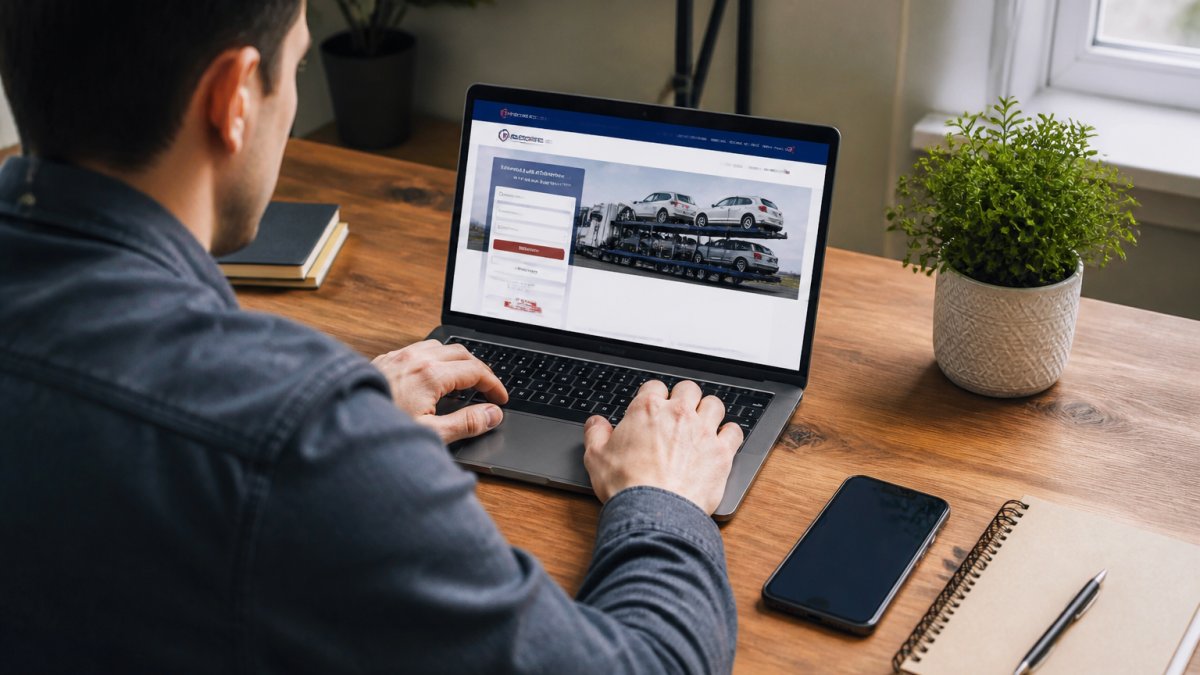
Booking reliable vehicle transport services online starts with one form and a handful of details. At Axel Flow Logistics, customers who gather their information first get accurate quotes in minutes; those who guess spend days chasing revised numbers.
An instant quote is a preliminary price based on your route, vehicle type, and dates, not a final contract.
What Information You Need Before Requesting a Quote
Have these ready before you open any quote form:
- Pickup and delivery ZIP codes, not just city names
- Vehicle year, make, model, and whether it runs
- Your earliest pickup date and any flexibility around it
- Whether you want door-to-door transport or terminal-to-terminal
Operable vehicles cost less to move because carriers load them under their own power. If your car does not start, say so upfront, surprises at pickup delay the whole load.
Reading Your Shipping Estimate: What's Included and What's Not
A shipping estimate typically covers carrier transport from pickup to delivery, but rarely everything. Most quotes exclude the broker or dispatch fee, optional extra insurance above the carrier's liability, and any surcharge for a non-drivable vehicle. Ask which line items are locked and which can move.
Auto Transport Broker vs Carrier: Which Should You Book With?
The difference between an auto transport broker and a carrier comes down to who owns the truck.
Booking directly with a carrier works well on high-traffic routes it runs regularly.
| Factor | Broker | Carrier |
|---|---|---|
| Owns trucks | No | Yes |
| Route flexibility | High | Limited to own lanes |
| Carrier vetting | Handled for you | Not applicable |
| Price transparency | Varies by provider | Usually direct |
| Best for | Complex or one-off moves | Standard routes |
Axel Flow Logistics operates as a broker: we vet carriers against safety and insurance standards before dispatch and stay involved until delivery, so you get one contact instead of chasing a driver.
How to Verify an FMCSA Motor Carrier Number Before You Book
Every legitimate interstate carrier holds an FMCSA motor carrier number, and you can check it yourself in minutes. The FMCSA is the federal agency that registers and monitors commercial carriers. This is the single most useful anti-scam step in the booking process.
Here is the verification sequence, in order:
- Ask for the legal name and number in writing. Request the carrier's full legal business name (not a DBA), plus its USDOT and MC numbers, in an email or chat transcript, not verbally.
- Look up the USDOT number first. The USDOT number identifies the company; the MC number identifies its operating authority. Search the USDOT number in the FMCSA's public licensing and insurance database and confirm the legal name matches what you were given.
- Confirm operating authority is active. The record should show active common or contract authority for the type of move you are booking. Pending, inactive, or revoked authority means the carrier cannot legally haul your vehicle interstate.
- Check the safety snapshot. Review the out-of-service rate and any crash or inspection history. A pattern of out-of-service violations signals a carrier that cuts corners on maintenance.
- Cross-check the insurance filing. Ask the provider for a certificate of insurance and confirm the insurer and policy dates match the FMCSA record.
Red Flags That Survive a Database Check
A number that returns a clean record is necessary but not sufficient. Watch for these patterns:
- The name does not match. If the quote came from "Sunbelt Auto Movers" but the USDOT record shows "J&R Trucking LLC," ask why. Legitimate brokers disclose the actual carrier before dispatch.
- A brand-new authority. New authority is not automatically bad, but combined with a large upfront deposit demand it is a common scam pattern.
- Pressure to pay off-platform. No legitimate carrier asks for a deposit via a personal payment app, gift card, or a link texted by a driver. Payments go through the company's verified portal or a traceable business channel.
- No physical address. Without a verifiable business address, you cannot serve papers if something goes wrong.
Checking Insurance Coverage and Safety Ratings
Insurance coverage is the part most customers skip, and it matters most when something goes wrong. Ask for a certificate of insurance showing active cargo and liability coverage, then confirm it matches the FMCSA database.
A strong safety record and current insurance are the baseline. A cheap rate from an unverified carrier is not a discount; it is risk you are carrying.
Average Car Shipping Transit Times and What Affects Them
Average car shipping transit times range from a few days for short regional moves to roughly one to two weeks coast-to-coast, depending on the carrier and season.
Factors that move that window:
- Distance between pickup and delivery
- Busy corridor vs rural lane
- Weather and seasonal demand
- Open vs enclosed transport, since enclosed carriers run fewer loads
Pickup scheduling is separate from transit: a carrier might collect your vehicle within days but not move until the trailer is full. Ask for both the pickup window and the transit estimate.
What to Look for in Vehicle Transport Contracts
A vehicle transport contract should state the carrier's legal name, total price, pickup and delivery locations, and liability terms in plain language. If any are missing, ask for a revised document before signing.
Read these sections closely:
- The bill of lading, which records your vehicle's condition at pickup
- Payment terms, including deposit and balance due
- The liability limit and how to file a claim
- Cancellation and rescheduling terms
The bill of lading protects you: it is the written record of your vehicle's condition before the carrier takes possession.
Cancellation and Refund Policy Transparency
Cancellation terms vary widely, and providers rarely volunteer them. Ask two questions before booking: how much notice is required to cancel without penalty, and what happens to your deposit if the carrier is late or never shows. Get the answer in writing, a provider that cannot explain its refund policy clearly is telling you how it handles disputes.
Vehicle Inspection Checklist for Pickup and Delivery
Inspect your vehicle with the driver at both ends and photograph everything. The condition report you sign at pickup is the baseline for any claim, if a scratch is not on it, proving it happened in transit is hard.
How the Handover Actually Works
At pickup, the driver walks the vehicle with you and fills out the bill of lading, which doubles as the condition report. Both of you sign it, and you should receive a copy before the truck leaves.
The bill of lading protects you: it is the written record of your vehicle's condition before the carrier takes possession, and the first document a claims adjuster reads.
Pickup Inspection Checklist
- Walk the full vehicle in daylight and photograph all four corners, plus the roof and any existing damage
- Photograph the odometer with the ignition on so the reading is legible
- Note every existing scratch, dent, chip, and crack on the condition report, do not accept "minor, not worth listing"
- Confirm the VIN on the bill of lading matches your vehicle
Delivery Inspection Checklist
- Walk the same four corners and compare against your pickup photos
- Re-check the odometer and note the difference
- Look specifically at the roof, lower body panels, and wheels, the areas most likely to pick up transport damage
- Note any new damage on the delivery copy of the bill of lading before you sign
- Photograph any new damage from multiple angles, including a wide shot that shows the location on the vehicle
What to Do If You Find Damage
Report it on the bill of lading at delivery, photograph it immediately, and notify the carrier and your broker in writing the same day. Keep your pickup photos, they prove the damage was not pre-existing. If the carrier's cargo coverage does not cover the full repair, your own auto policy may pick up the difference depending on your deductible; call your insurer before authorizing repairs.
Step-by-Step: Booking Your Vehicle Transport Online
Booking online takes about fifteen minutes with your details ready. Here is the process we walk customers through at Axel Flow Logistics.
- Gather your details. ZIP codes, vehicle info, and target dates.
- Request your instant quote. Enter route and vehicle data to get a preliminary price.
- Review what's included. Confirm broker fees, insurance, and pickup type.
- Verify the carrier. Check the FMCSA number and insurance before you commit.
- Read the contract and bill of lading terms. Ask about cancellation before signing.
- Confirm your pickup window. Get both the pickup date and transit estimate.
- Complete secure payment. Use the provider's official payment channel only.
- Track your shipment. Request real-time tracking and a dispatch contact.
- Inspect at delivery. Walk the vehicle, compare to the condition report, then sign.
Pay through the provider's verified portal, never to a personal account or a link texted by a driver.
Shipping a vehicle across state lines involves real money and real risk, and the difference between a smooth delivery and a stressful one usually comes down to verification.
Frequently Asked Questions
How do I know if an auto transport company is reliable?
Check the company's FMCSA registration and safety rating using the FMCSA's online lookup tool. Look for a verifiable USDOT number, active operating authority, and current insurance coverage. Read recent customer reviews on independent sites, not just the company's own testimonials. A reliable vehicle transport provider will provide a written contract with clear terms, offer a bill of lading, and communicate proactively about pickup and delivery windows. Avoid any company that pressures you to pay a large deposit upfront without a signed agreement.
What documents are required to book vehicle transport online?
You will typically need your vehicle's make, model, year, and VIN; the pickup and delivery addresses; your contact information; and a payment method. Some carriers also ask for a copy of your driver's license and proof of insurance. After booking, you will receive a bill of lading and a carrier assignment confirmation. Keep these documents accessible, as you will need them at pickup and delivery to verify the vehicle's condition and release the keys.
Is it safer to book directly with a carrier or through a broker?
Both options can be safe if you verify credentials. A broker like Axel Flow Logistics vets carriers for FMCSA compliance and insurance, handles logistics, and often provides bilingual support. Booking directly with a carrier means dealing with one company, but you must personally verify their authority and insurance. Brokers can offer more flexibility if a carrier cancels, as they can reassign your shipment. Whichever you choose, always confirm the FMCSA motor carrier number and insurance coverage before signing a contract.
How far in advance should I book vehicle transport services?
For standard open transport, book at least one to two weeks before your desired pickup date. During peak seasons (summer, holidays, or when snowbirds migrate), allow three to four weeks. Enclosed transport and remote routes may require even more lead time. Booking early gives you a better chance of securing your preferred pickup window and can help you avoid rush fees. If you need expedited service, ask about expedited options, but expect higher shipping rates.