 blog
How to Ship a Car Safely for Your Family
Quick Summary
Safe vehicle transport for families depends on who handles your car and how it is protected. Choose a registered, insured carrier, confirm who will actually move the vehicle, and decide between open and enclosed transport based on your car's value and route. Inspect child seats and document the car's condition before pickup.
- Verify the company's USDOT number, operating authority, and current cargo and liability insurance.
- Ask for the name of the carrier that will actually transport your vehicle before you sign.
- Enclosed transport suits classic, luxury, or high-value cars and routes with salt or gravel exposure.
- Remove car seats when the carrier allows, and inspect them for cracks or stress marks after delivery.
- Take dated photos from several angles and review the bill of lading before signing at pickup.
Table of Contents
- How to Ship a Car Safely for Your Family
- Why Safe Vehicle Transport Matters for Families
- Open vs. Enclosed Vehicle Shipping: Which Is Safer for Your Car
- Reliable Auto Transport Reviews: How to Judge a Carrier or Broker
- Auto Transport Companies to Avoid: Red Flags to Watch For
- A Safety Checklist for Evaluating a Vehicle Transport Service
- What Documents Do I Need to Ship a Car?
- Preparing Your Vehicle and Confirming Insurance Before Pickup
- Booking Your Family's Safe Vehicle Transport With Axel Flow Logistics
- Frequently Asked Questions
How to Ship a Car Safely for Your Family
Last Updated: November 14, 2026
Why Safe Vehicle Transport Matters for Families
Safe vehicle transport for families starts with one question: who is handling your car, and how will it arrive? Federal Motor Carrier Safety Administration carrier and broker guidance lists the registration and licensing rules that govern brokers and carriers in the United States.
Most families only ship a car once or twice in a lifetime. A cross-country move, a child heading to college, or a vehicle bought online from another state all carry the same risks: damage in transit, a missed pickup window, and unclear responsibility if something goes wrong. Planning ahead reduces each of those risks.
Families also tend to ship more than the car. Car seats, toys, and personal items often travel in or near the vehicle, which is why many carriers restrict what can be left inside. Check your carrier's policy before pickup.
Open vs. Enclosed Vehicle Shipping: Which Is Safer for Your Car
Open carriers are the most common option. The vehicle rides on a multi-level trailer exposed to weather, road debris, and gravel.
For most families shipping a standard daily driver, open transport is a practical choice.
When enclosed transport is worth the extra cost for a family
Enclosed transport tends to make sense in a few family situations:
- The vehicle is a classic, luxury, or high-value car that would be expensive to repair
- The route crosses regions with heavy road-salt, gravel, or construction exposure
- The vehicle is being shipped for a child heading to college and the family wants to minimize the chance of cosmetic damage
- The vehicle carries specialized equipment, such as a wheelchair ramp or adaptive controls, that is costly to replace
How the choice affects child-safety equipment
Car seats and booster seats are sensitive to heat, sunlight, and physical stress.
Questions to ask before choosing
- Will the vehicle be loaded and unloaded at both ends by the same carrier, or will it be transferred?
- How is the vehicle secured inside or on the trailer, and are soft ties or wheel straps used?
- What is the carrier's policy on personal items and child-safety equipment left in the vehicle?
- Does the quote include both pickup and delivery, or are there terminal fees?
Watch out: a very low enclosed quote is a warning sign, because enclosed service has real equipment and fuel costs that a legitimate carrier cannot ignore.
Our enclosed auto transport service is designed for families who want extra protection for a valuable or sentimental vehicle.
The two main shipping methods differ in how exposed the vehicle is, which matters for families deciding how to protect a car and its child-safety equipment.
| Option | Best for | Key difference |
|---|---|---|
| Open carrier | Standard daily drivers | Vehicle exposed to weather, road debris, and gravel |
| Enclosed carrier | Classic, luxury, or high-value cars | Vehicle shielded from weather, dust, and road spray |
| Enclosed carrier | Vehicles with specialized equipment | Costly equipment protected from exposure |
| Enclosed carrier | Cars crossing salt or construction routes | Reduced exposure to road salt and gravel |
Reliable Auto Transport Reviews: How to Judge a Carrier or Broker
Reviews are useful, but read them carefully. Look for patterns across many reviews rather than a single glowing or angry post. Pay attention to how the company responds to complaints, because that often reveals more than the complaint itself.
Verify the company's credentials directly. Check that the carrier holds a valid USDOT number and operating authority, and confirm that it carries current cargo and liability insurance. Brokers should show their own licensing as well.
Ask for the carrier's name before you sign. A broker that will not tell you who will move your vehicle is a warning sign.
Auto Transport Companies to Avoid: Red Flags to Watch For
Some warning signs show up again and again. Be cautious of any company that:
- Quotes a very low price with no explanation of how the price was set
- Asks for full payment before a carrier is assigned
- Will not provide its USDOT or operating authority number
- Cannot name the carrier that will transport your vehicle
- Uses vague or pressured language to close the sale
A common mistake is choosing the lowest quote without checking who will actually move the car. A quote that seems too good often means the job will be reassigned several times, which adds delay and risk.
A Safety Checklist for Evaluating a Vehicle Transport Service
Most checklists for choosing a transport company stop at licensing and insurance. For families, the evaluation has to go further: the service must also protect the people riding in the vehicle and the child-safety equipment traveling with it. Use this expanded checklist before you book.
Company and carrier credentials
- Confirm the company's FMCSA registration and operating authority through the FMCSA's public lookup tools
- Ask for the name of the carrier that will actually transport your vehicle, not just the broker
- Verify the carrier's cargo and liability insurance is current and ask for a certificate of insurance
- Confirm how the company handles delays, missed pickup windows, and rescheduling
- Get the quote, payment schedule, and cancellation terms in writing
- Confirm how you will receive updates during transit and who to call after hours
- Ask what happens if damage occurs, how claims are filed, and what the claims timeline looks like
Child-passenger safety and restraint checks
- Ask whether the carrier permits car seats and booster seats to remain in the vehicle, and under what conditions
- If car seats stay in the vehicle, confirm they will be stored so they are not crushed, exposed to extreme heat, or used to hold other cargo
- Inspect every car seat and booster seat after delivery for cracks, stress marks, or damage before reinstalling it
- Confirm the carrier's policy on personal items left in the vehicle, since most carriers do not insure them
- Ask how the vehicle is secured inside or on the trailer and whether wheel straps or soft ties are used
Accessibility and medical needs
- Tell the company early if a child or family member uses a wheelchair, mobility device, or specialized restraint
- Ask whether pickup and delivery locations have accessible loading areas and level ground
- Confirm whether specialized equipment can travel with the vehicle and how it will be secured
Route, timing, and communication
- Ask for the estimated transit time and whether the route includes transfers between carriers
- Confirm the pickup and delivery windows and who is authorized to sign at each end
- Ask how the company communicates incidents, breakdowns, or weather delays
- Get the driver's name and contact information before pickup
Watch out: a broker that cannot or will not name the carrier before you sign is a warning sign, because it usually means your vehicle will be brokered out again after you have paid.
Emergency readiness questions to ask
- What is the company's procedure if the carrier breaks down mid-route?
- How and when are families notified if the vehicle is involved in an incident?
- Who is responsible for securing the vehicle if it is left overnight at a terminal or lot?
- What documentation will you receive at delivery, and how soon after delivery can a damage claim be filed?
A practical pattern many families use is to score each company on these items before comparing price. A lower quote from a company that cannot answer the safety and communication questions is rarely the better deal.
What Documents Do I Need to Ship a Car?
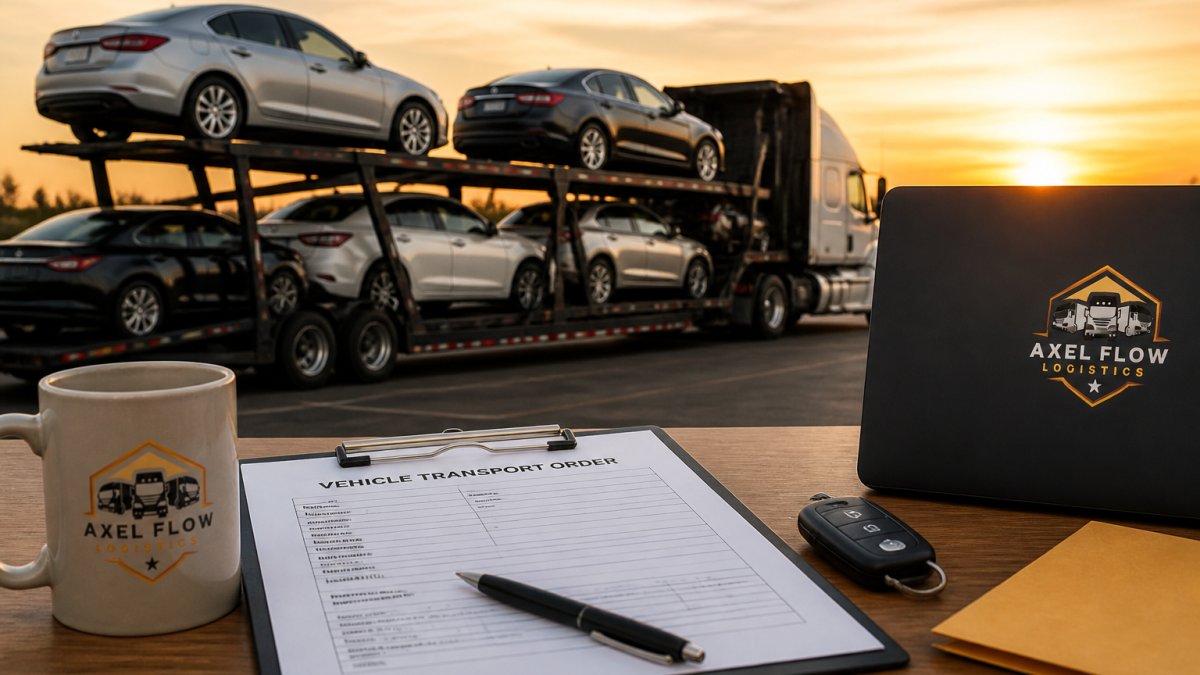
Most shipments require a few standard documents. Expect to provide proof of ownership, such as a title or registration, and a valid government-issued photo ID. The carrier will also ask for the vehicle identification number and the condition of the car at pickup.
Prepare a clear, dated record of your vehicle's condition before pickup. Photos taken from several angles give you a reference point if damage appears later. The driver will complete an inspection report, often called a bill of lading, at pickup and again at delivery. Review that report carefully and note any discrepancies before you sign.
Preparing Your Vehicle and Confirming Insurance Before Pickup
Preparation protects your car and speeds up the process. Remove personal items, since carriers generally do not insure them. Leave only a small amount of fuel, and disable any alarm systems. Check tire pressure and note any existing dents or scratches.
Confirm your own auto insurance before pickup. Some policies cover a vehicle while it is in transit, but many do not, so call your insurer to find out. Ask the carrier to show proof of its cargo insurance as well.
Booking Your Family's Safe Vehicle Transport With Axel Flow Logistics
Shipping a car for your family does not have to be stressful. Start with a clear picture of your vehicle, your timeline, and your budget, then compare carriers using the checks above. Axel Flow Logistics is an FMCSA-registered broker that vets carriers on safety and insurance standards, and our team communicates in English and Spanish to help every family understand each step.
Ready to move your car? Get a quote from our auto transport service and ask about enclosed auto transport if your vehicle needs extra protection. Book Now!!
Frequently Asked Questions
What documents do I need to ship a car?
Most vehicle shipments require a valid government-issued photo ID for the person releasing the car, the vehicle title or registration, and proof of insurance. If the car is financed or leased, you may also need written permission from the lienholder. Carriers typically ask for the vehicle identification number and a signed bill of lading at pickup, which records the car's condition. Keep copies of everything and take dated photos of your vehicle before handing it over. Requirements can vary by carrier and by state, so confirm the paperwork list with your transport provider before the pickup date.
Is enclosed auto transport safer than open transport?
Enclosed transport generally offers better protection from weather, road debris, and road grime because the vehicle travels inside a covered trailer. It is often chosen for classic cars, luxury vehicles, and family cars that need extra protection. Open transport is widely used and costs less, and it remains a safe option when the carrier is insured and well maintained. The better choice depends on your vehicle's value, your budget, and how much protection you want, so compare both options with a broker before deciding.
How can I check whether an auto transport company is legitimate?
Start by confirming the company's US Department of Transportation number and its operating authority in the Federal Motor Carrier Safety Administration (FMCSA) database. Ask for proof of cargo insurance and check that the policy is active. Read recent reviews across several platforms, and be cautious of companies that demand large upfront payments or give quotes far below the market range. A legitimate broker will explain who the carrier is, how the vehicle is protected, and what happens if delivery is delayed.
What should I remove from my car before it is shipped?
Remove personal belongings, loose items, toll transponders, and aftermarket accessories that could shift or be damaged in transit. Carriers usually do not cover personal property inside the vehicle, and extra weight can affect the load. Leave only the spare tire and the factory-installed tools. Take photos of the interior and exterior before pickup, and make sure you have only a small amount of fuel in the tank.